


A smart switch for your phone – and a real win for wildlife
This year’s Make a Metre Matter sponsor is Ecotalk, the ethical mobile network that combines the UK’s best network coverage with tackling the biodiversity crisis
Mobile phones and nature aren’t an obvious pairing, but then Ecotalk, which is powered by Britain’s greenest energy, likes to do things differently. It offers a rare ethical consumer choice as the world's first mobile network to use its profits to restore nature, allowing you to do good and contribute to environmental action, without compromising on the quality of your network coverage.
So, you can benefit from deals from just £4 a month (with no hidden fees or annual price rises), flexible 30-day rolling contracts, and amazing UK-based customer service. And enjoy knowing that every one of your calls, texts and scrolls is helping to fund Ecotalk’s efforts to buy land and fund rewilding projects across the UK, including Bowyers Wood in Sussex and Downicary in Devon.
Much of this vital conservation work takes place on land owned and managed by its sister charity, The Green Britain Foundation, guided by Ecotalk’s Chief Ecologist Chris Packham.
Stronger together
Ecotalk has recently begun working closely with 30x30 UK, plotting and categorising its restoration efforts on the charity’s map, and showcasing the work it’s already doing, or plans to do, across each of its sites. And now, it’s partnering with Make a Metre Matter, too.
The campaign offers Ecotalk an inspiring way to accelerate its own biodiversity goals while also contributing to a wider movement that’s empowering gardeners and communities to dedicate even small areas of land to nature, transforming them into thriving micro-habitats.
Like Make a Metre Matter, everything Ecotalk does across The Green Britain Foundation's land is rooted in restoring ecosystems, improving habitats and strengthening biodiversity for the long term. So, this year, Ecotalk aims to restore its wildflower meadows as part of the campaign, while also supporting BBC Gardeners' World readers in their mission to enhance nature.
Chris Packham, Ecotalk’s Chief Ecologist

As Ecotalk’s Chief Ecologist, broadcaster and naturalist Chris Packham draws on his decades of wildlife expertise to ensure every project is scientifically robust and genuinely impactful, from boardroom to forest floor.
Chris advises Ecotalk on the most effective ways to improve biodiversity and how to measure the impact of its actions. His deep ecological knowledge, scientific rigour and varied relationships across the conservation sector help ensure its projects are not only ambitious but also grounded in best practice.
Together, they’re documenting and sharing a powerful story of nature recovery and the real difference we can all make.
The three Rs
Ecotalk’s mission is built entirely around reintroducing lost species, rewilding degraded habitats and replanting native woodlands.
Reintroduce
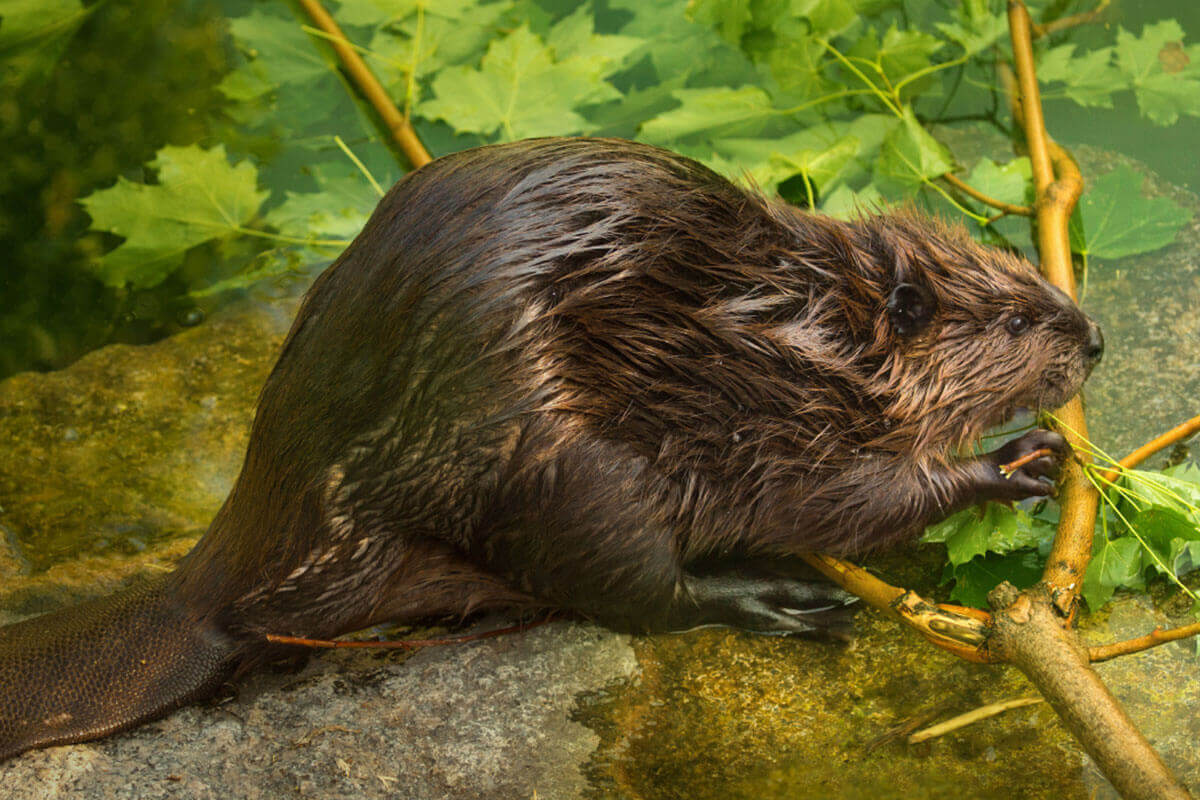
The network is committed to active species reintroduction, collaboration with ecologists and restoring natural processes within landscapes. For example, a major upcoming project is the beaver reintroduction at Bowyers Wood, working with Derek Gow, one of the UK's leading species reintroduction experts.
It will bring back a keystone species whose natural engineering dramatically improves wetland health, naturally supports flood management, boosts biodiversity and creates habitats for countless other species.
Rewild
Through The Green Britain Foundation, Ecotalk is transforming ordinary countryside into thriving, nature-rich reserves. It aims to create connected habitats for an array of species – including birds, pollinators, mammals, plants and insects – while ensuring long-term ecological resilience.
To strengthen biodiversity through thoughtful rewilding, the process begins with baseline ecological surveys across major species groups, which inform how best to restore landscape ecosystems over time, with science-led, evidence-based management.
Replant
This work focuses on restoring species-rich woodland, meadows and wet woodland across its sites. At Bowyers Wood, it’s enhancing a 250-acre multi-species, semi-ancient woodland with open fields and areas of flower-rich meadows through soil restoration, careful planting and ongoing habitat management.
Meanwhile, at Downicary, Ecotalk is restoring over-grazed land to wet woodland. By re-establishing hydrological features and planting native species, including riparian trees, to support a wide range of wildlife – from amphibians and insects to birds and small mammals – it’s enhancing the land’s natural resilience against climate pressures.
Why switch to Ecotalk?
 Amazing UK-based customer service
The UK's best network coverage
Deals from just £4 a month
Price promise: no hidden fees or annual price rises – ever!
Ethical Consumer Best-Buy Deals, all flexible 30-day rolling contracts
Powered by Britain's greenest energy
Tackling the biodiversity crisis, together
To follow Ecotalk’s ongoing rewilding work: