

Create a habitat haven
It's easy to create a beneficial habitat in just one metre. Nic Wilson lists the things that everyone can introduce to their garden
The degradation and loss of natural habitats is one of the most critical issues facing wildlife today. And while we don't always think of the UK's estimated 23 million gardens as providing vital habitats, they have the potential to make a huge difference if we consider them as part of the wider landscape. Collectively, our gardens contain around 3 million ponds and 30 million trees.
But you don't need a huge water feature or mature trees to provide shelter, nest sites and places for wildlife to feed in your garden – even the smallest plot can provide a series of micro-habitats. What's more, if we work together with others in our local area, we can create networks of wildlife-friendly gardens that function rather like a community nature reserve. You can do your bit to support beneficial creatures by dedicating a metre of space for wildlife habitats. Have fun with log piles, hoverfly lagoons and more...
Making your wildlife haven
Collect leaves
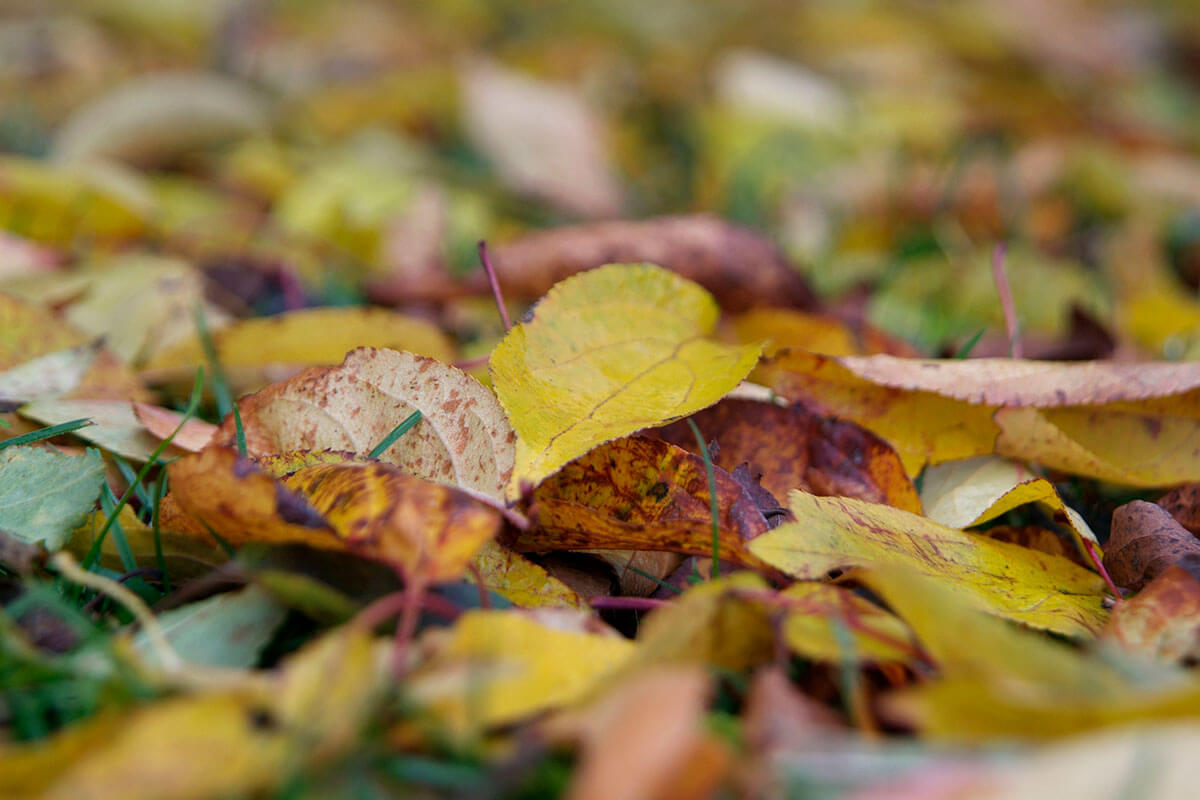
Create a leaf pile for amphibians, small mammals and invertebrates, such as ground beetles, millipedes and spiders. Ground beetles will eat slugs, snails and aphids, while other invertebrates provide food for garden birds and mammals like hedgehogs and shrews.
Attach a bee hotel
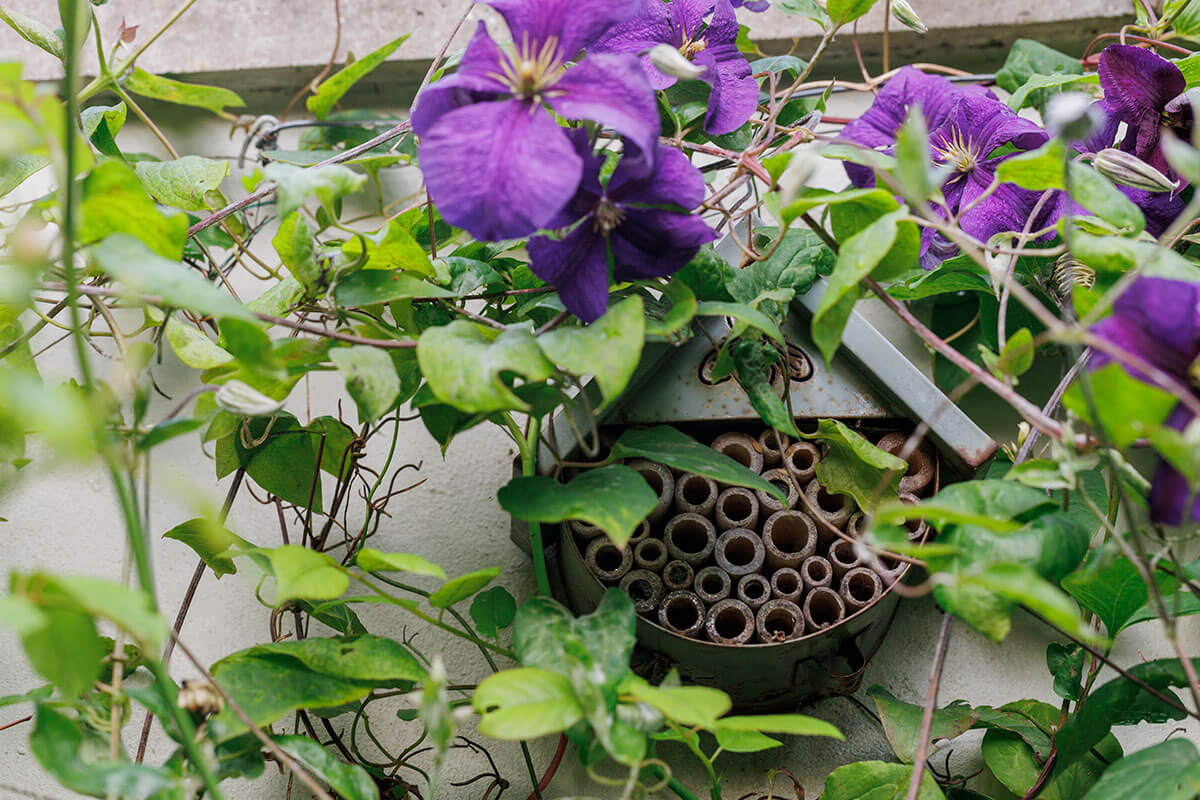
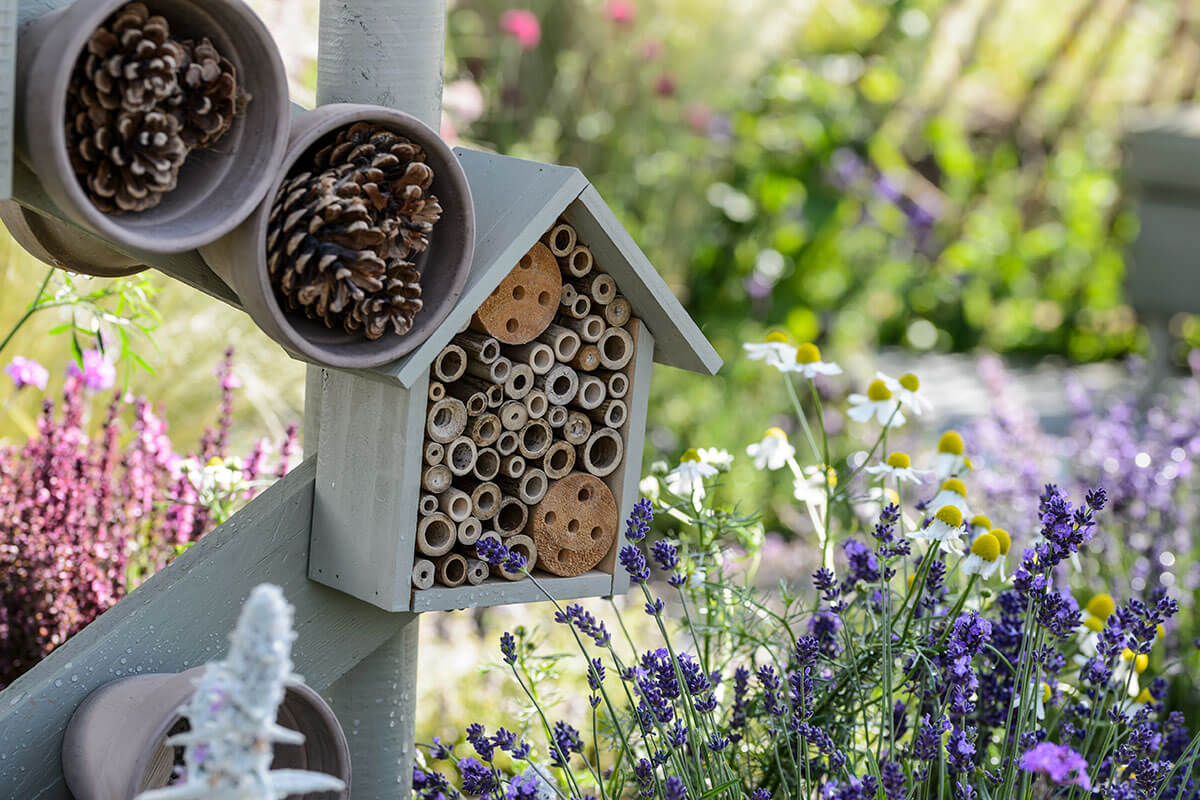
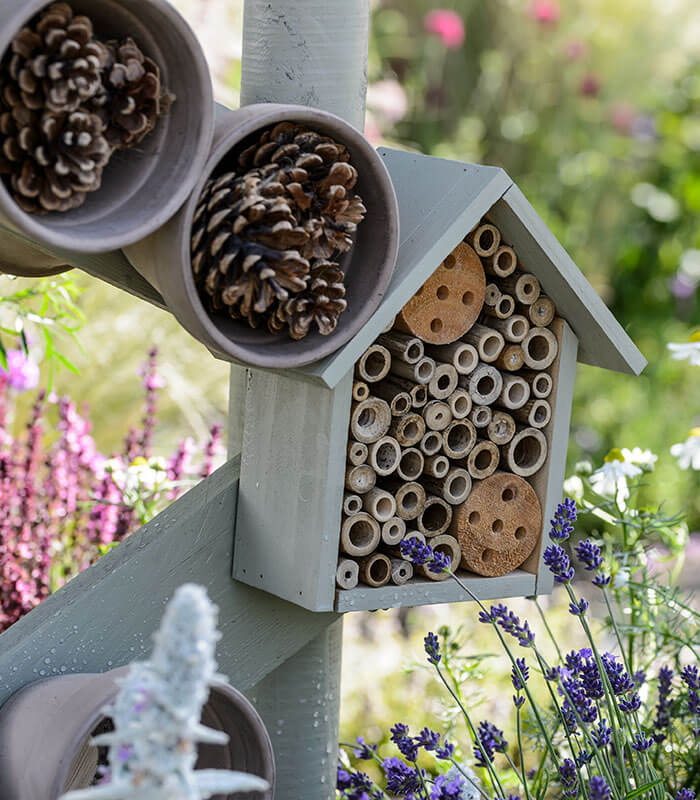
Bumblebees had the worst season on record last year and solitary bees are struggling too, so the more support we can provide, the better. You can make a bee hotel (primarily for leaf-cutter and mason bees) by packing hollow plant stems into a wooden box or drilling holes in a piece of wood. You can also purchase cob bricks, which provide nest sites for hairy-footed flower bees. To make one yourself, pack a moistened mix of clay-rich soil, sand and straw into a plant pot, poke holes in the soil and leave it to dry.
Put up bird boxes
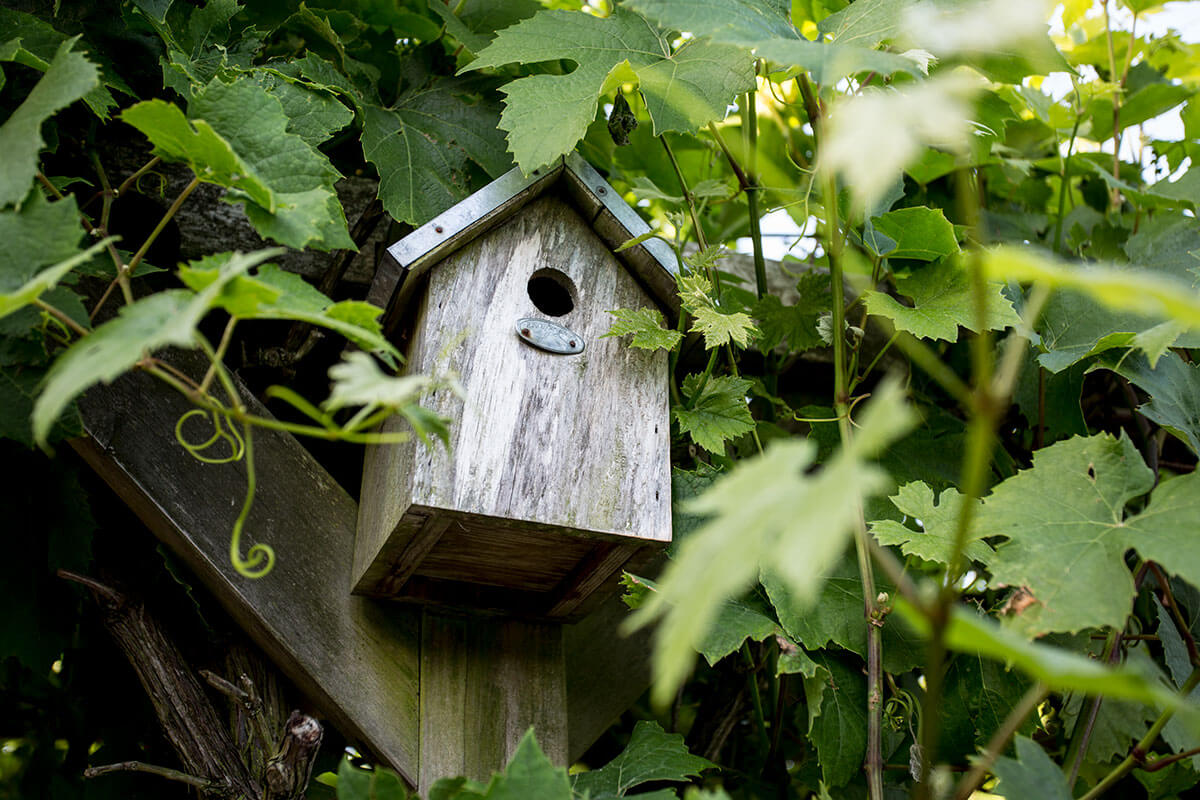
If your habitat haven backs onto a north- or east-facing house wall, put up bird boxes to provide nest sites. Swift bricks and boxes are ideal as they are also popular with sparrows, starlings and, occasionally, house martins – all red-listed species that need our help.
Make larvae lagoons
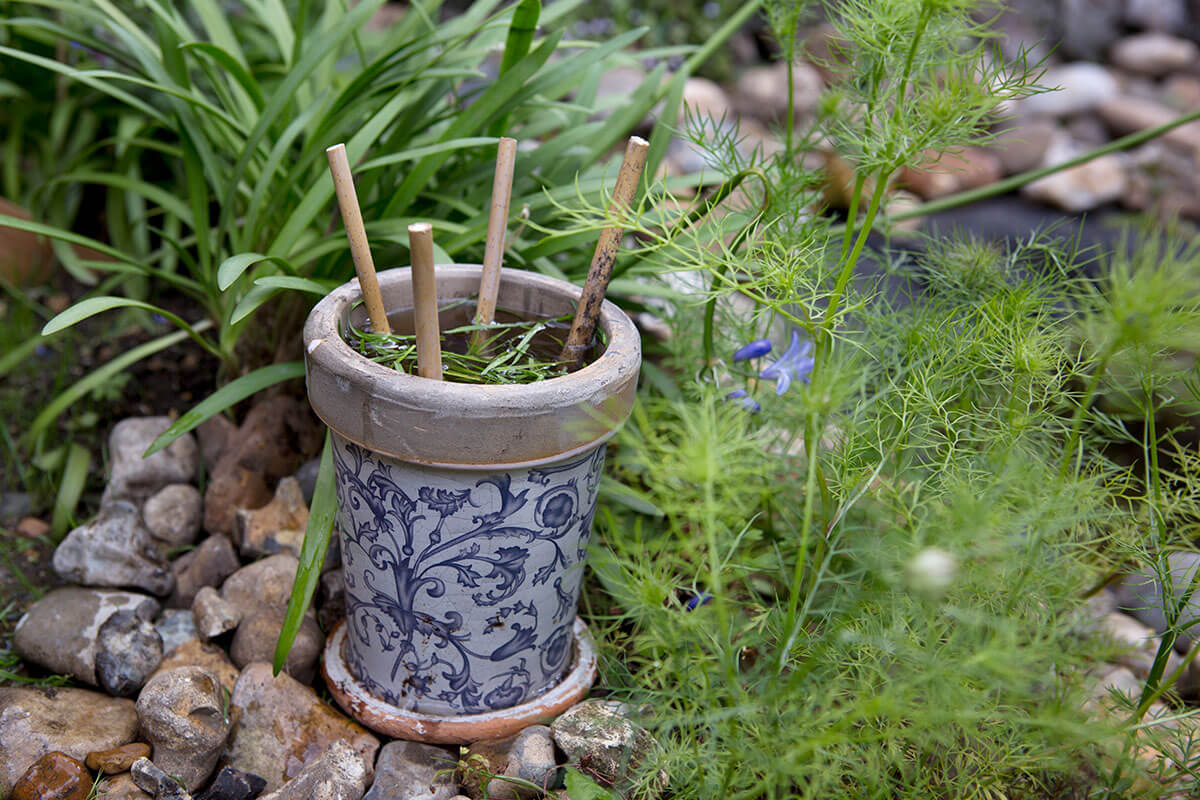
Pack grass clippings or leaf litter into a small plant pot without drainage holes, then fill it with rainwater to create a lagoon for hoverfly species with aquatic larvae. Add twigs sticking out of the water, place a final layer of leaves on top and put the container in a plant tray filled with more leaf litter, so that the larvae can climb out and pupate in the base, before emerging a few weeks later as adult hoverflies.
Attract beetles
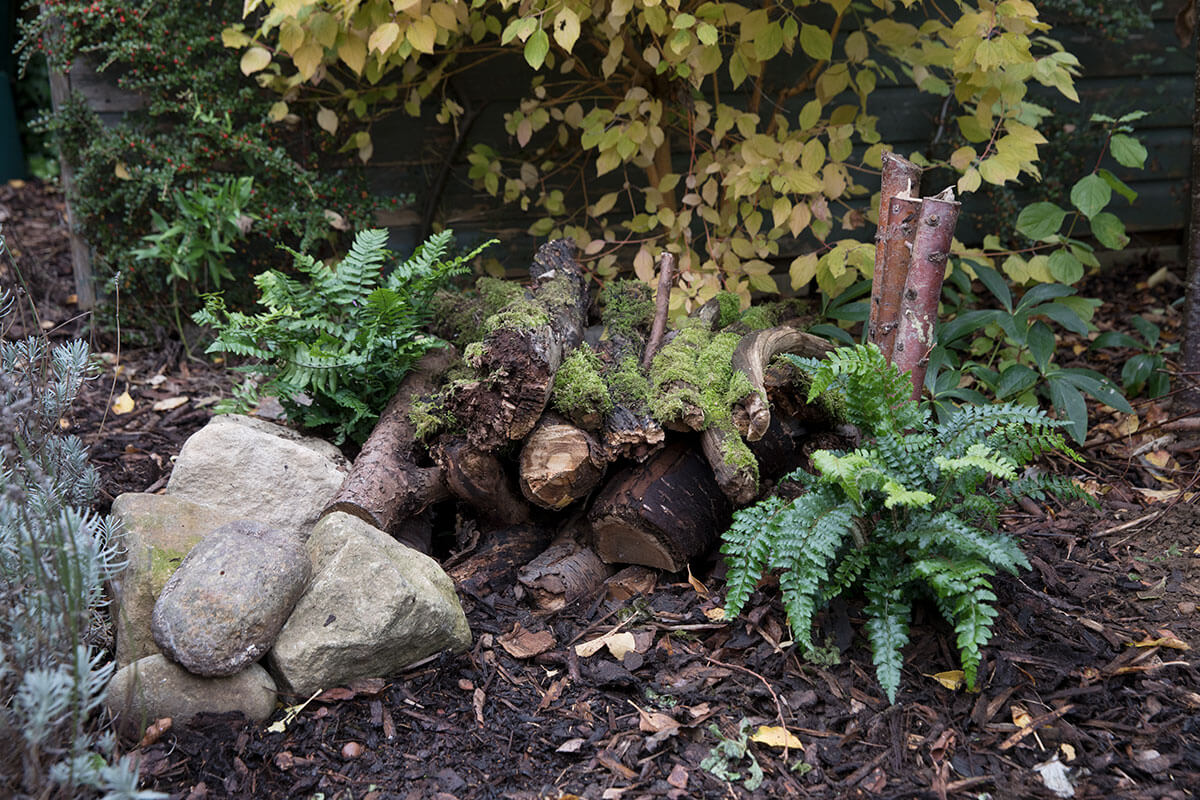
Make piles of dead wood on top of the soil and partially bury one or two logs upright in the soil to attract detritivores, such as stag beetles, whose larvae usually live underground in rotting wood.
Create shelter
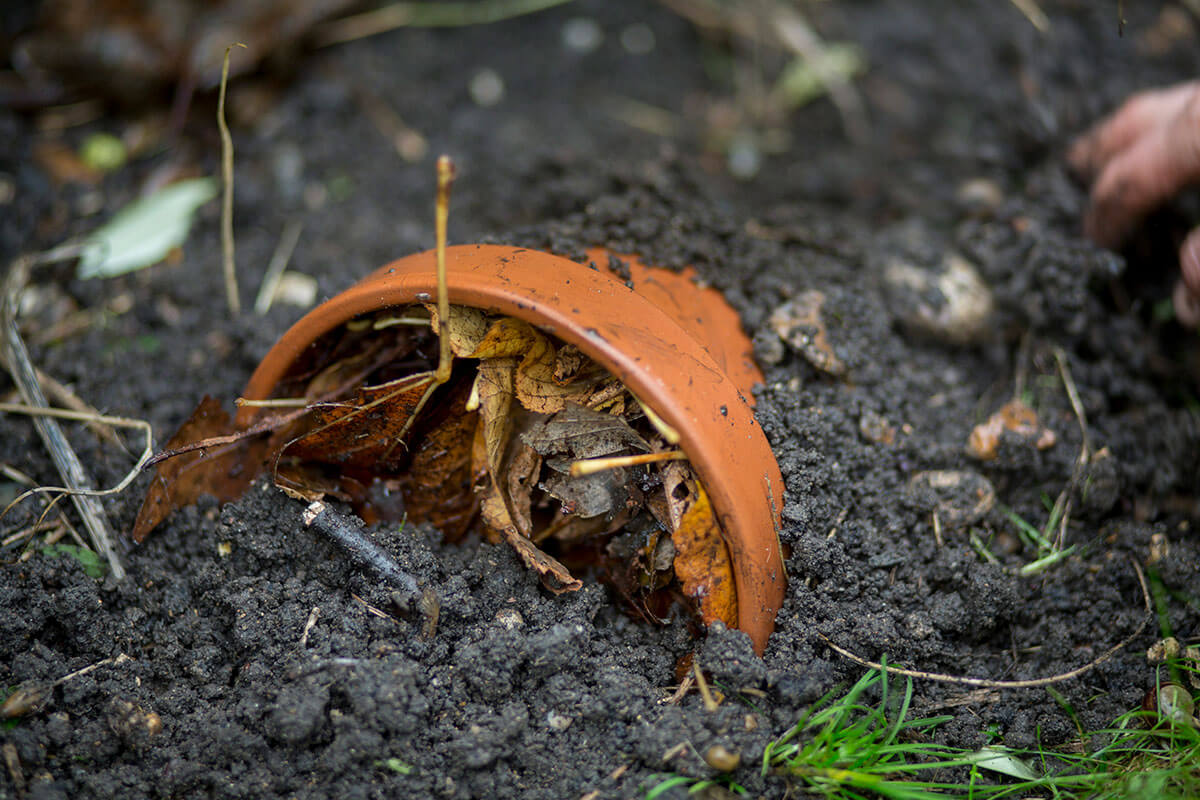
Half-bury a terracotta plant pot on its side in the ground and fill it with dead leaves to create shelter for amphibians like frogs and toads.
Build resting places
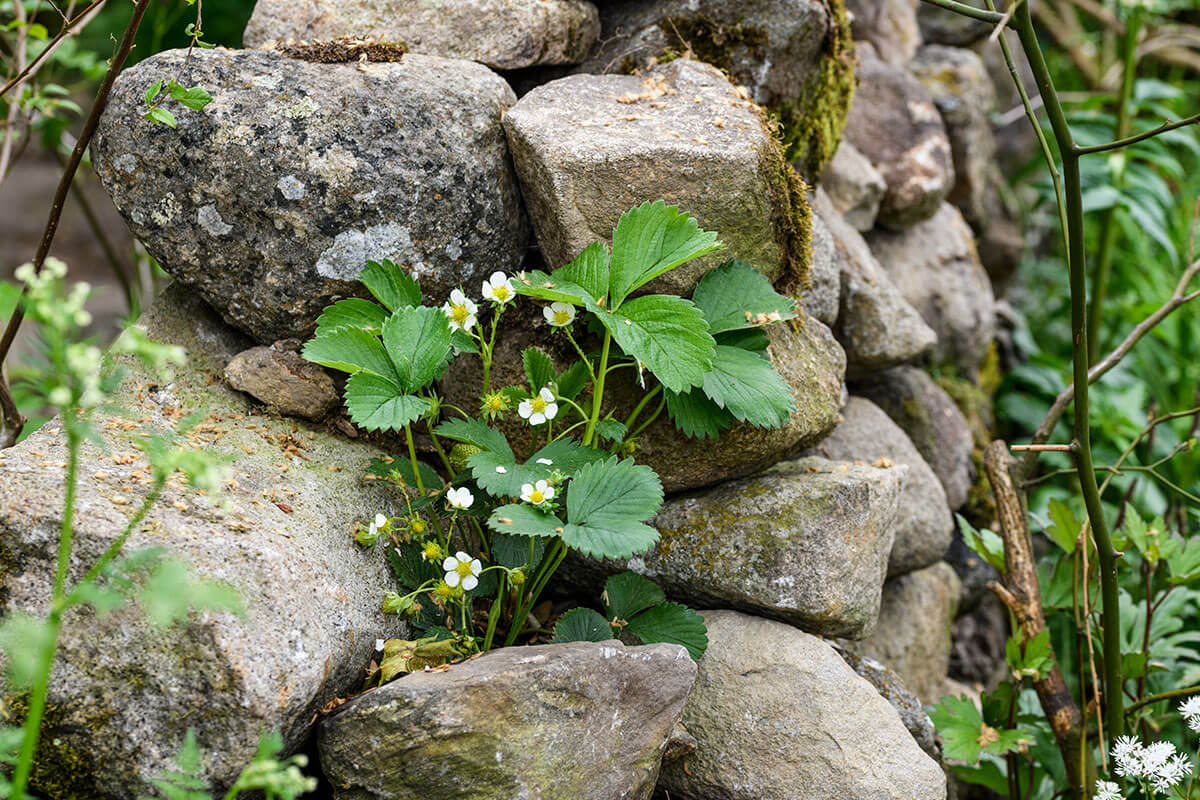
Place a flat rock in a sunny spot to give cold-blooded creatures, such as lizards and butterflies, a place to bask. Building a small cairn of stones in the shade will provide somewhere for reptiles and amphibians to keep cool in the heat of the day.
Plant climbers
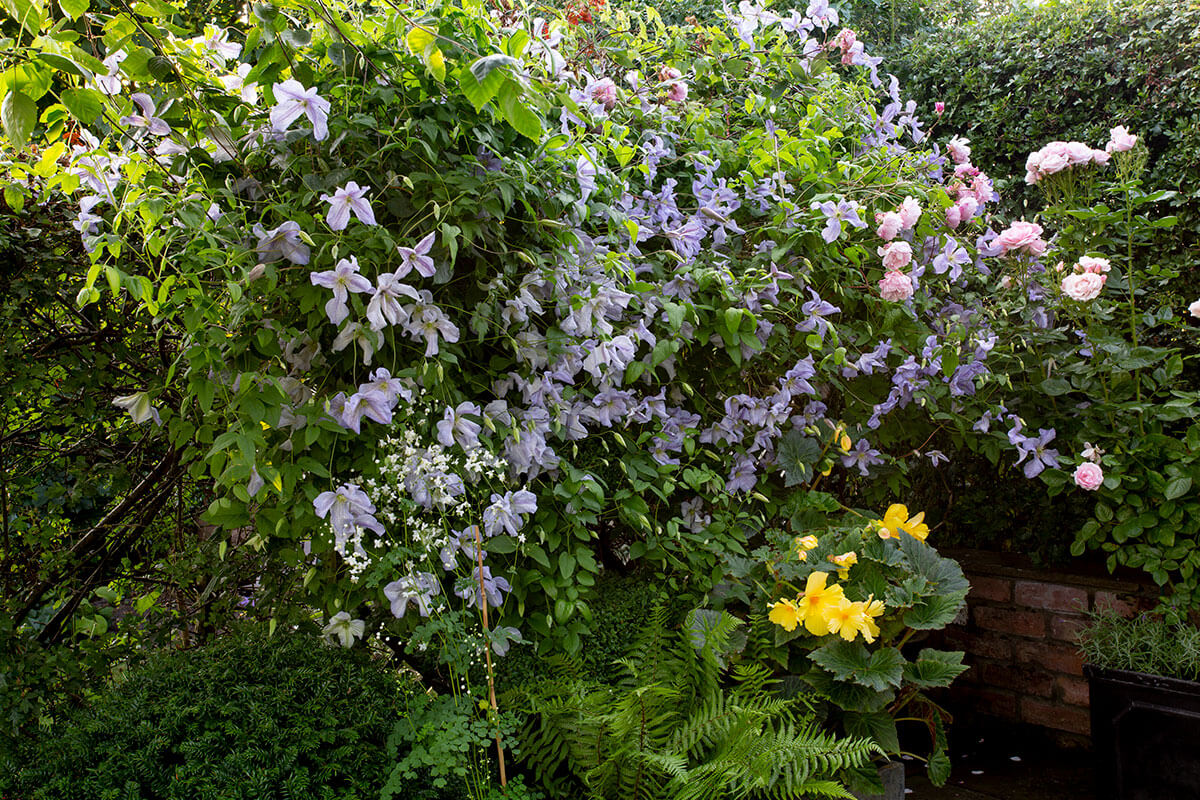
If your habitat haven borders a garden fence, fix some trellis in front of the fence, leaving a gap of 10cm for insects, birds and small mammals. Plant climbers, such as honeysuckle (Lonicera periclymenum), to grow up the trellis and create sheltered cavities for wildlife.
Make a dust bath
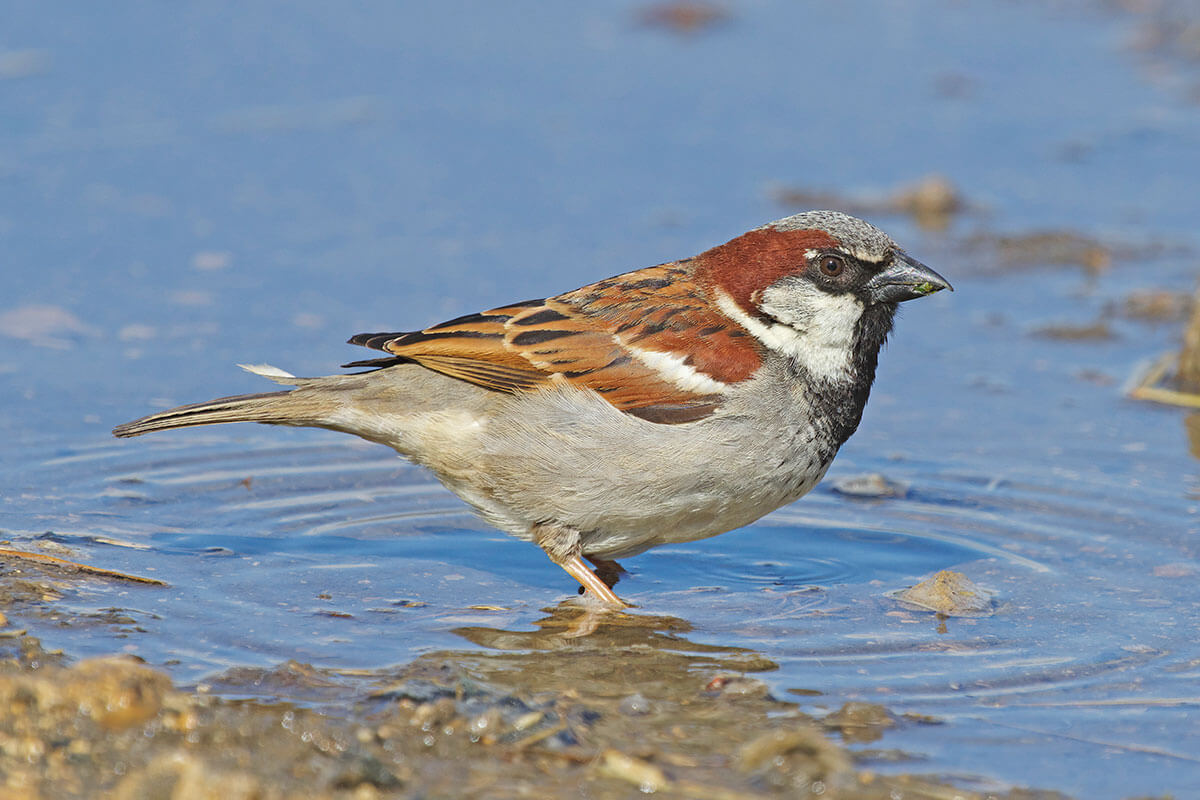
Leave a patch of bare soil to create a place for house sparrows to dust bathe. Bare areas might also attract ground-nesting solitary bees or wasps, especially if you have sandy soil. Wet soil provides house martins, blackbirds and song thrushes with much-needed mud for their nests.
Leave log piles
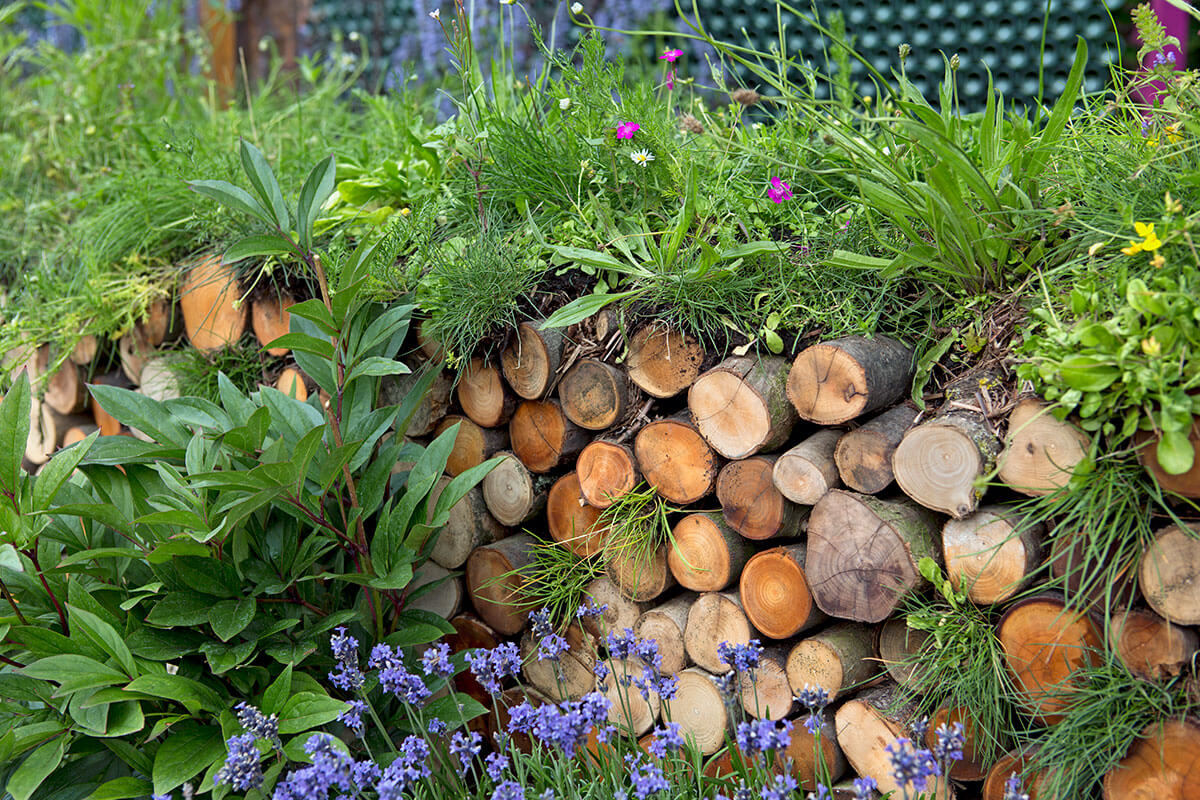
Log piles are important habitats for wildlife, particularly invertebrates. Add some sticks and twigs to create smaller gaps. Plant woodland perennials such as primroses or ferns in the gaps, or encourage a climber like clematis to scramble across the pile.
Dos and don’ts
• Do make sure there are gaps in boundaries so wildlife can get in and out of your garden – hedgehog holes need to be at least 13cm x 13cm.
• Do leave natural resources like dead leaves, twigs and moss for wildlife to use in nest building.
• Do attach bee hotels securely to a wall or fence and situate them in a sunny spot.
• Do encourage neighbours to join in, to make sure wildlife has access to a network of local habitats.
• Don't feel you need a large garden to make space for wildlife – every habitat patch helps create connectivity.
• Don't use treated wood in habitat piles, as it contains chemicals intended to kill fungi and invertebrates.
• Don't leave pet hair out for birds to use in nests, because it can contain chemicals from flea treatments that can harm chicks.