

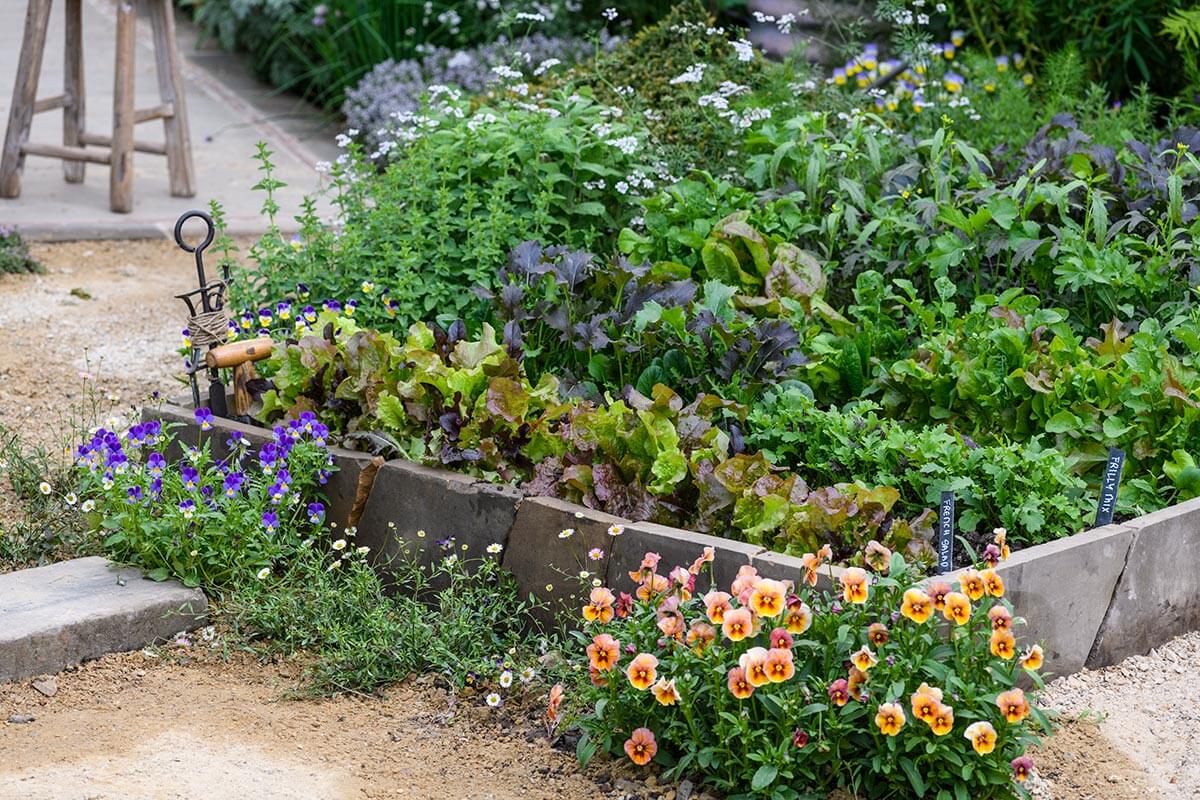
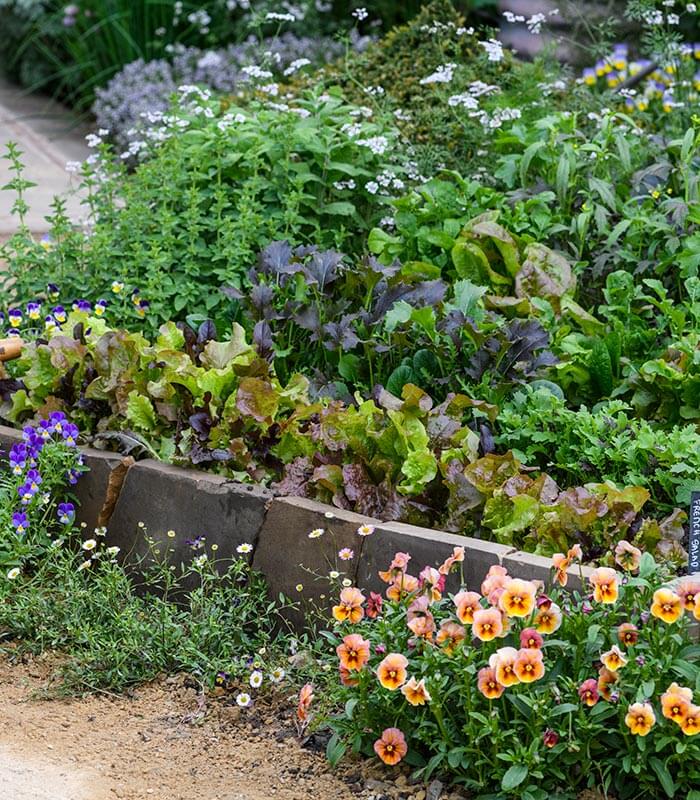
Create a micro veg patch
Nic Wilson shares some space-saving crop ideas to grow in just one square metre. Think about the harvest from your mini veg plot – and what you would like to eat in the coming months
Growing your own, even in a small space, can reduce your food miles and carbon footprint, while also helping wildlife in your garden. The key to growing eco-friendly crops is to use water, sunlight and your soil as effectively as possible, and to opt for natural, biodegradable or recycled products.
By reusing containers, using peat-free and homemade compost, encouraging natural predators rather than spraying plants with pesticides, and saving your own seeds, you can fill your metre with delicious, sustainably grown veg. Growing different veg close together increases biodiversity, helps deter pests and improves soil health.
If you grow in a raised bed, you’ll also benefit from warmer growing conditions in spring and some protection against floods and waterlogging. So even in a small garden, you can enjoy healthy homegrown veg through summer and beyond.
Space-savvy crops
Carrots
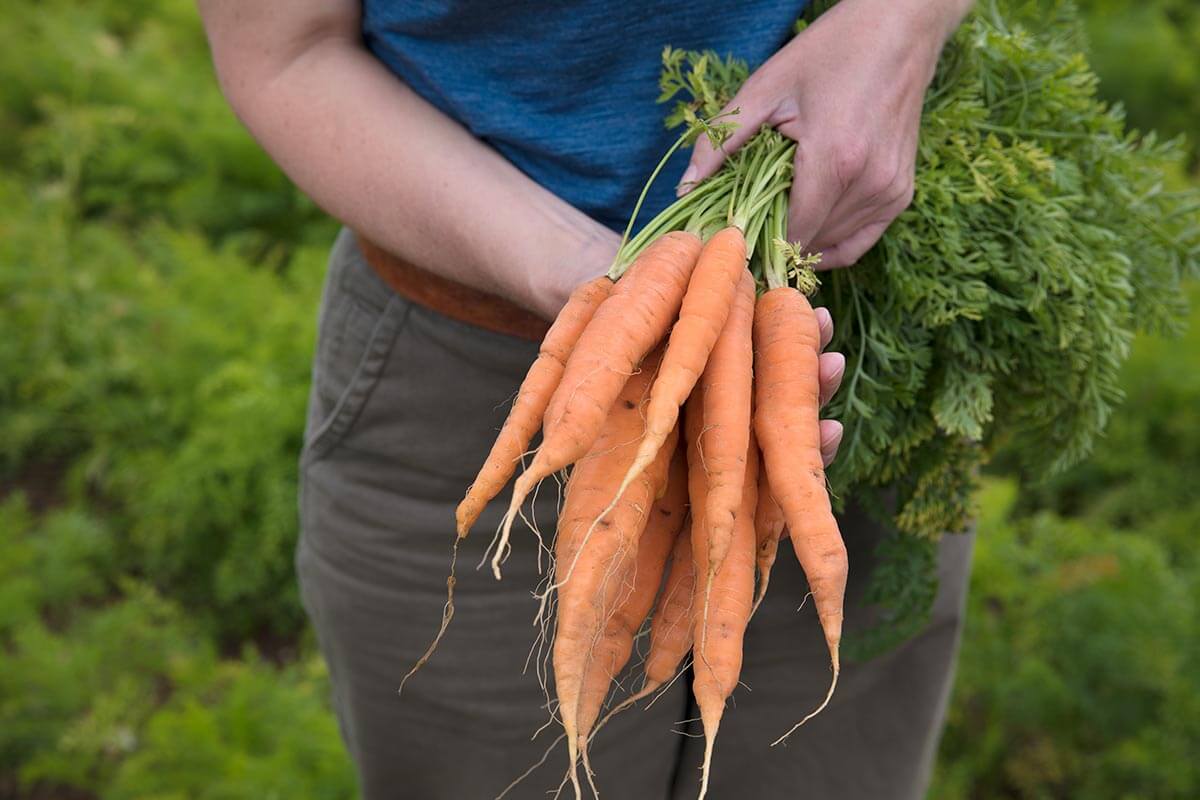
Sowing seeds in the ground rather than in pots saves on plastic. Carrots grow best when sown in situ. Choose early varieties such as ‘Early Nantes 2’ or the rounded roots of ‘Paris Market Atlas’, which mature after only 10-12 weeks. Don’t worry if you miss one or two at harvest time – the white umbels of carrot flowers are great for pollinators such as soldier beetles.
Chives
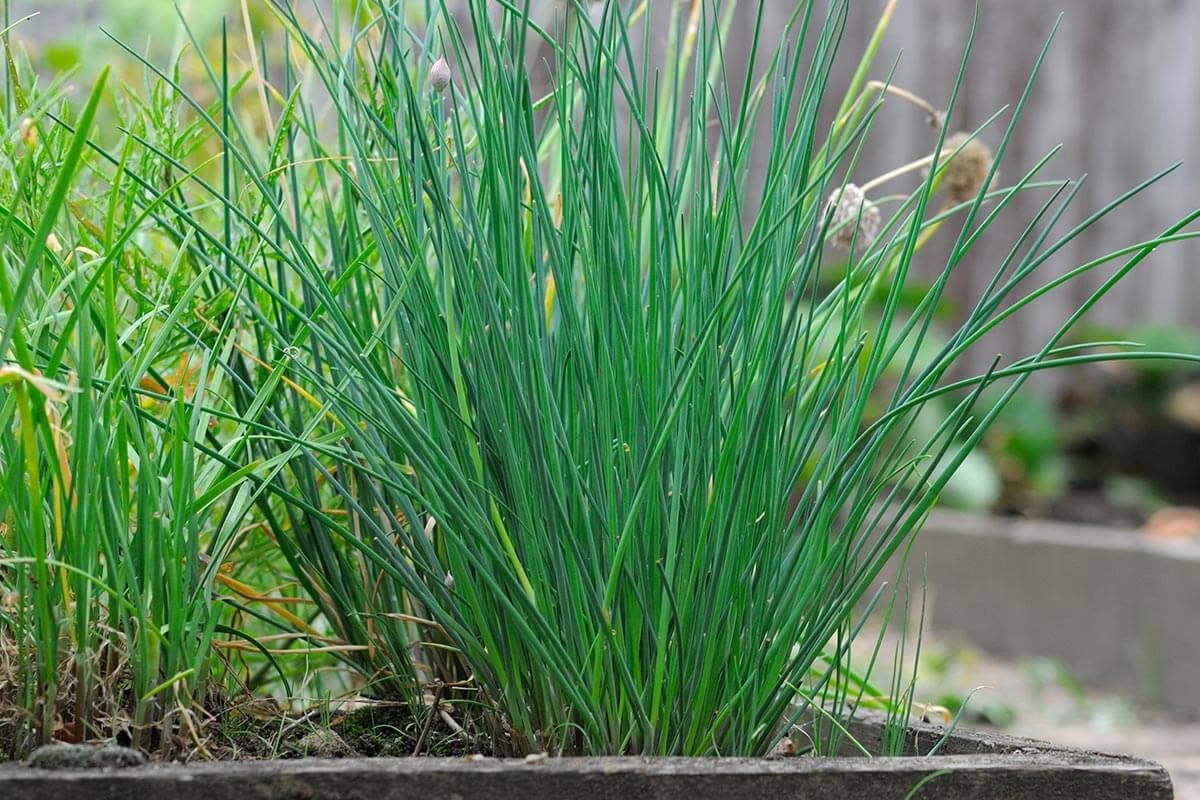
Grow compact perennials like chives to make your plot more sustainable. Perennials don’t need growing from seed every year, so they reduce the need for pots and compost. Garlic chives and Welsh onions are also great to grow in small spaces. All of these perennials have nectar-rich flowers that attract pollinating insects.
Thyme
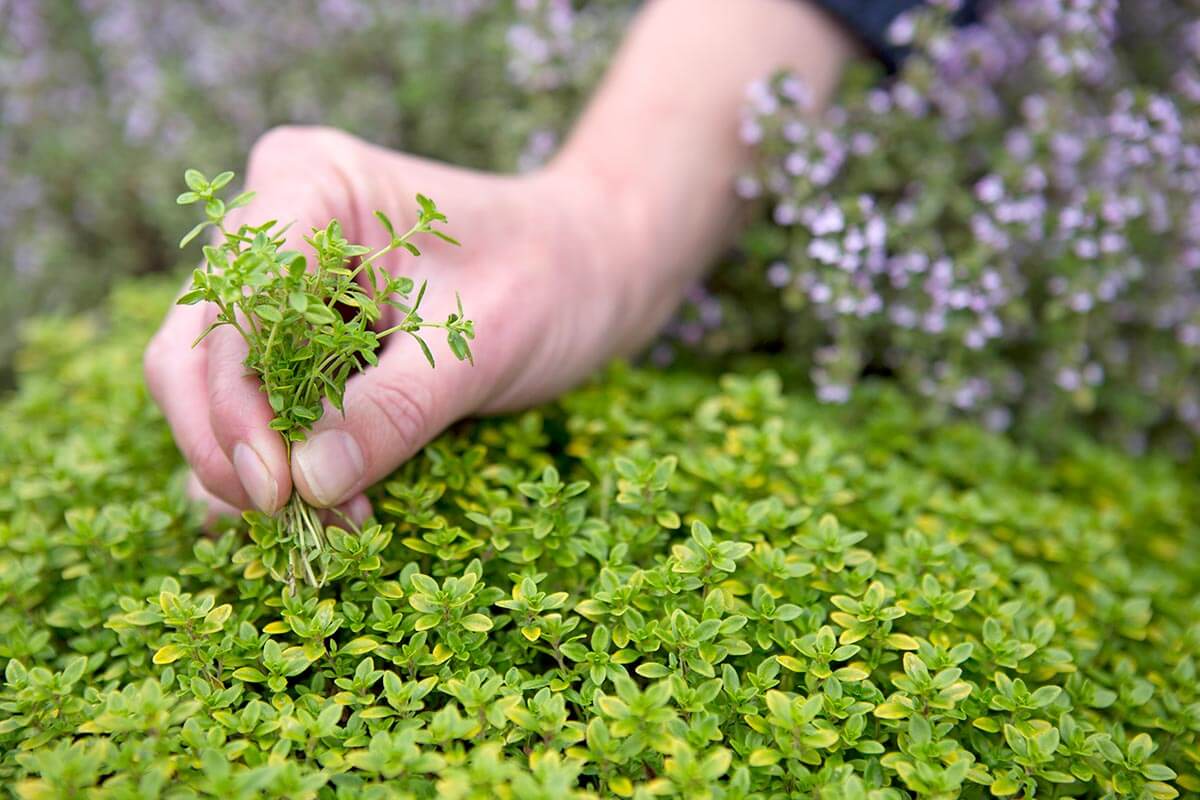
Many Mediterranean herbs are ideal for a sunny spot. Thyme is a low-growing plant that thrives at the edge of a well-drained veg bed. It’s drought-tolerant and grows well in poor soil, so there’s no need to fertilise or water once it’s settled in. The evergreen leaves can be picked all year, and honeybees and hoverflies love the summer flowers.
Alpine strawberries
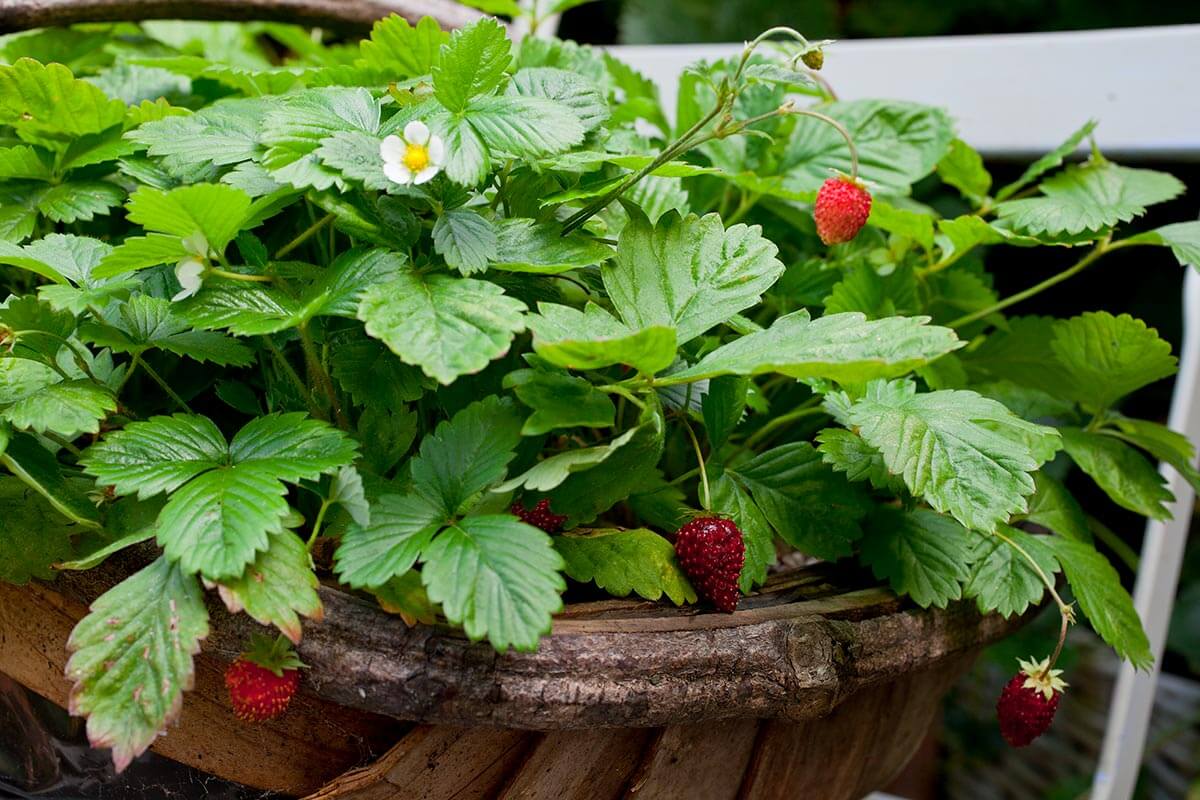
Alpine strawberries are attractive groundcover plants. ‘White Soul’ has pale fruits that are less easily spotted by birds. Once sown, plants crop for several years, making them a low-maintenance and tasty addition to your metre.
Cherry tomatoes
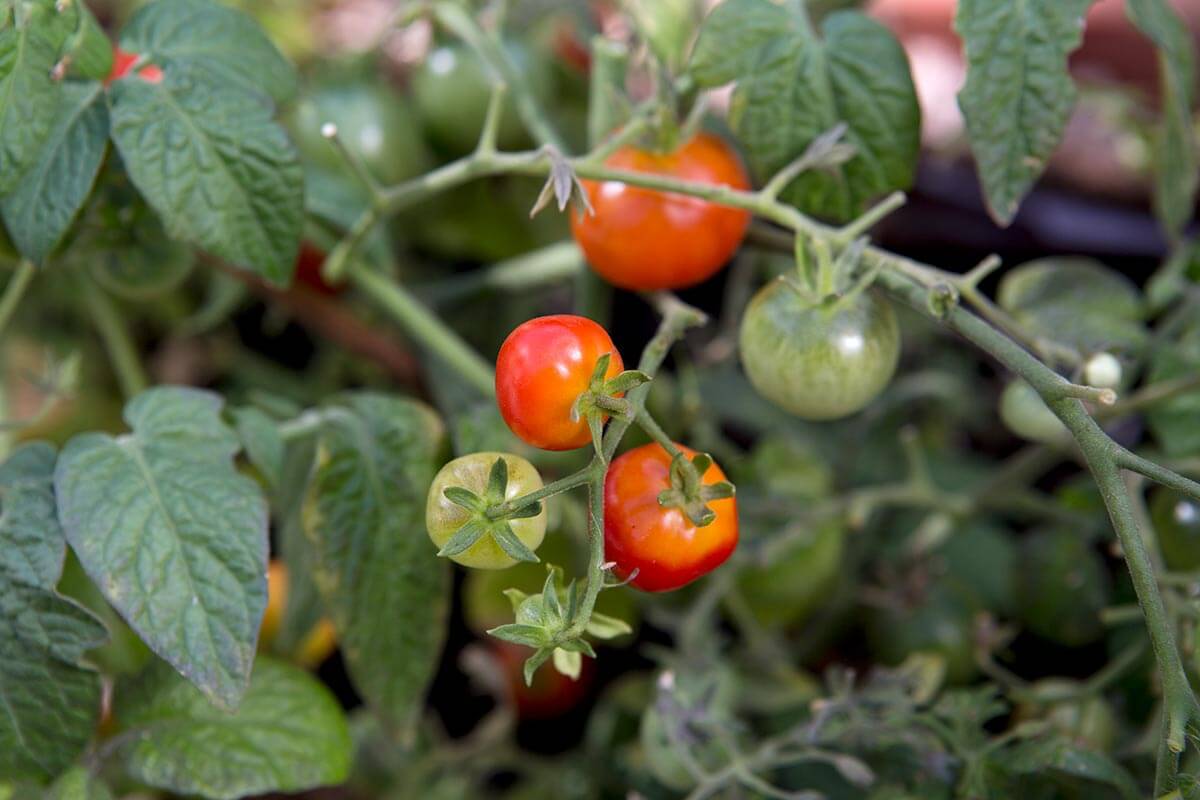
Avoid food miles and packaging by growing your own tomatoes. Choose a compact outdoor bush type, such as ‘Tiny Tim’ or ‘Golden Nugget’. Neither of these varieties are F1 hybrids, so you can save seeds from your plants for next year and still get reliable results.
Rocket
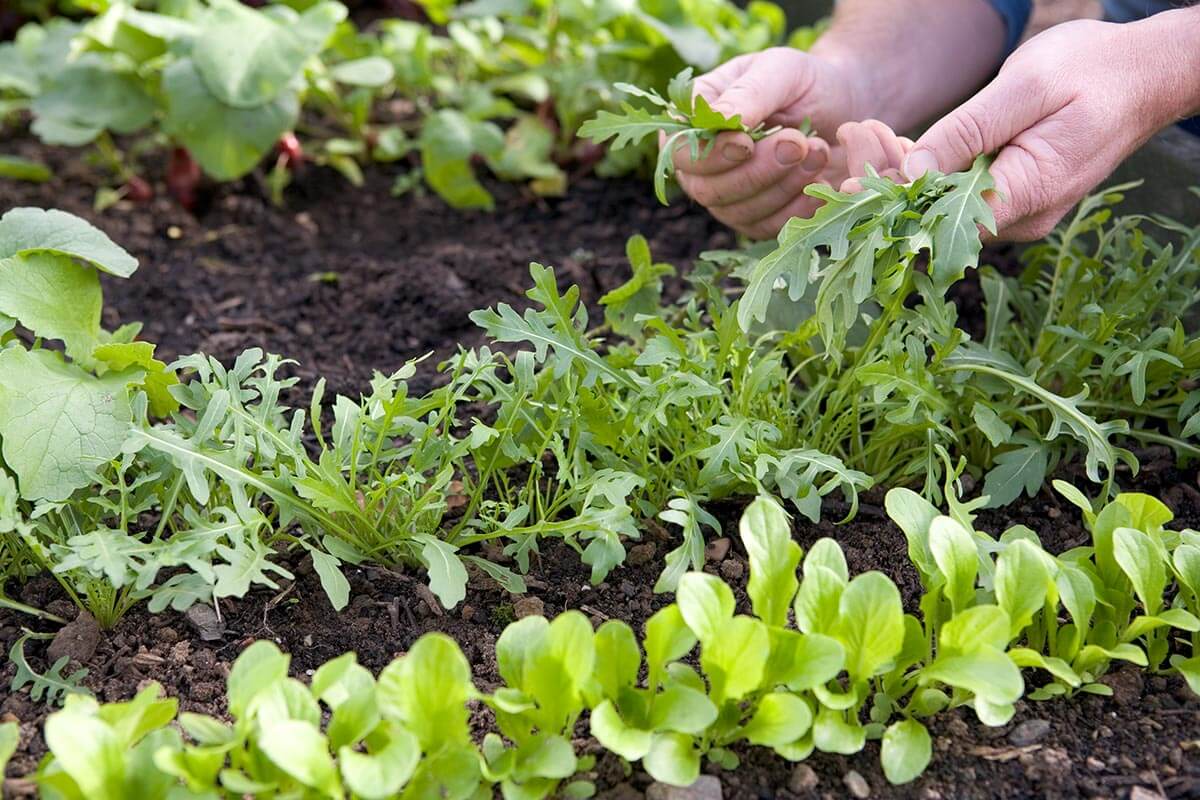
Cut-and-come-again leaves are picked in small amounts over several weeks. Rocket can be sown in situ and, if you leave some to flower, not only will it benefit insects, but it often self-seeds next year, saving effort and resources.
Radish
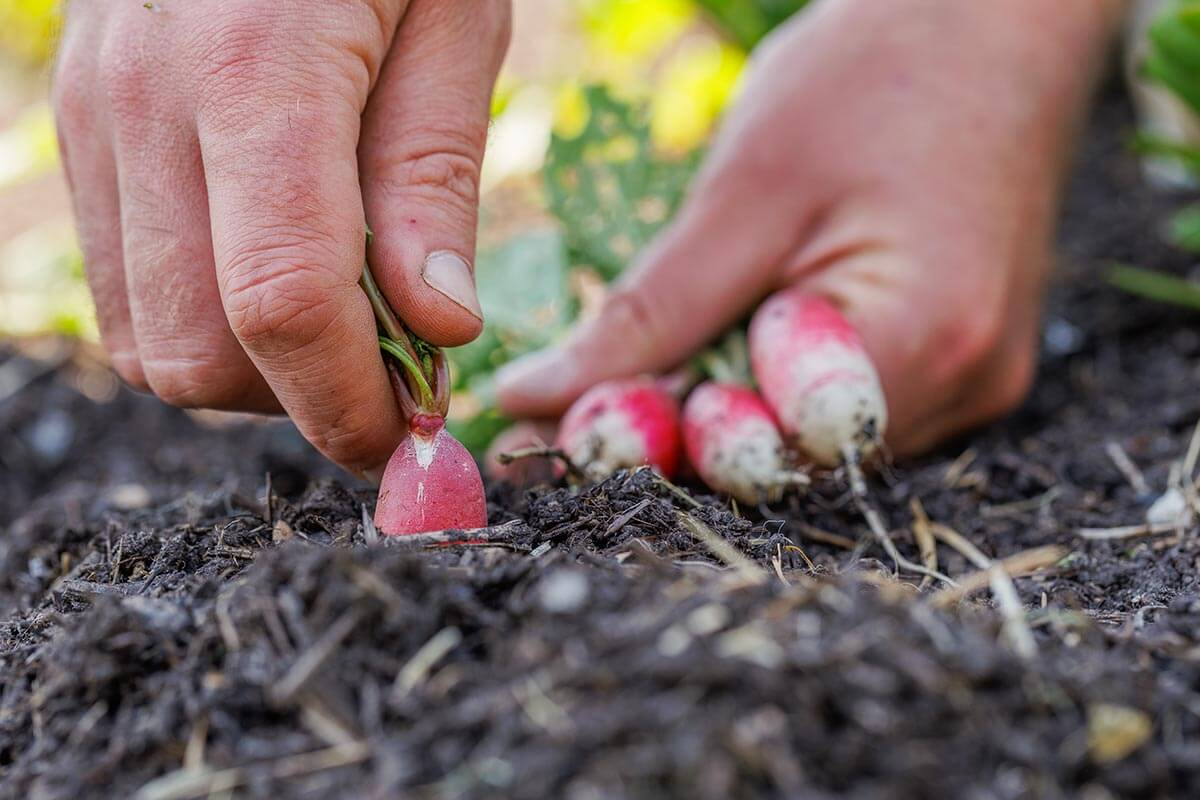
Sow quick-maturing veg like radish between slower crops such as beetroot. By the time the beets need more space, your radishes will be ready to eat. Intercropping reduces your overall use of space and water.
Perpetual spinach
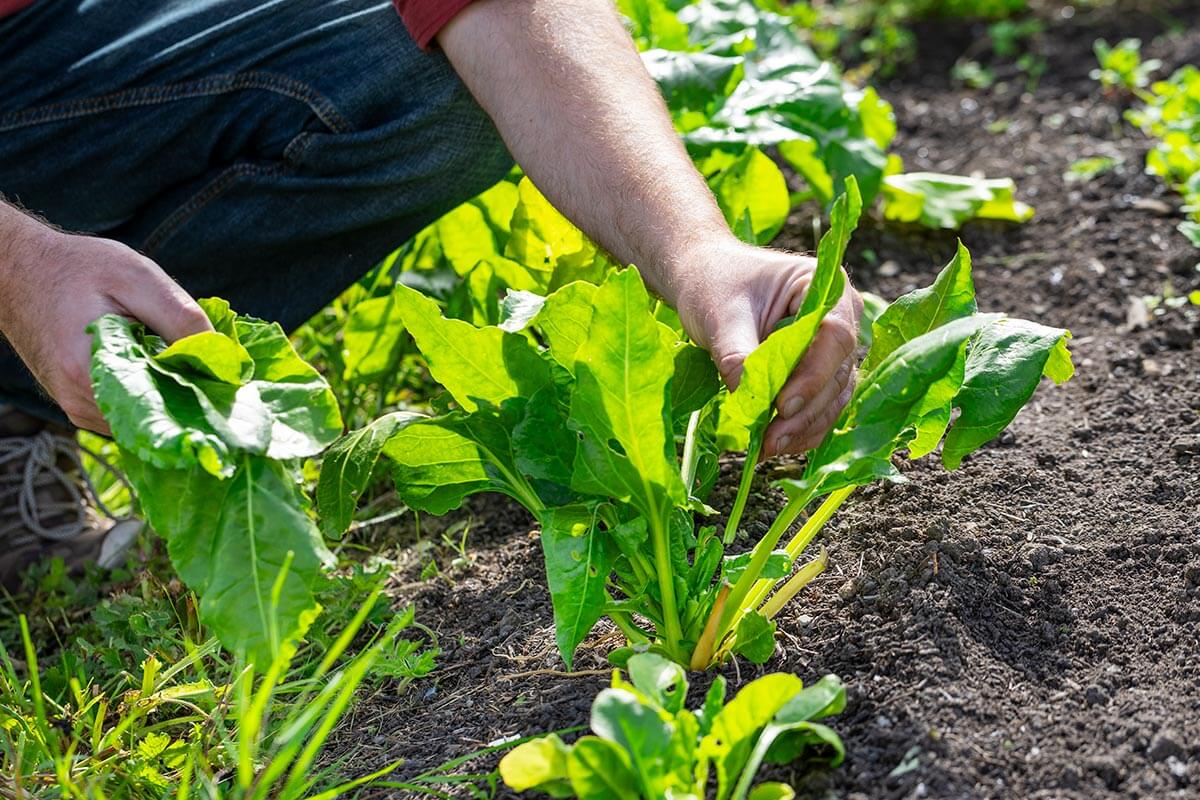
Choose long-cropping veg to maximise your plot’s productivity. Perpetual spinach is easy to grow, slow to bolt and will provide you with fresh leaves for many months.
Climbing French beans
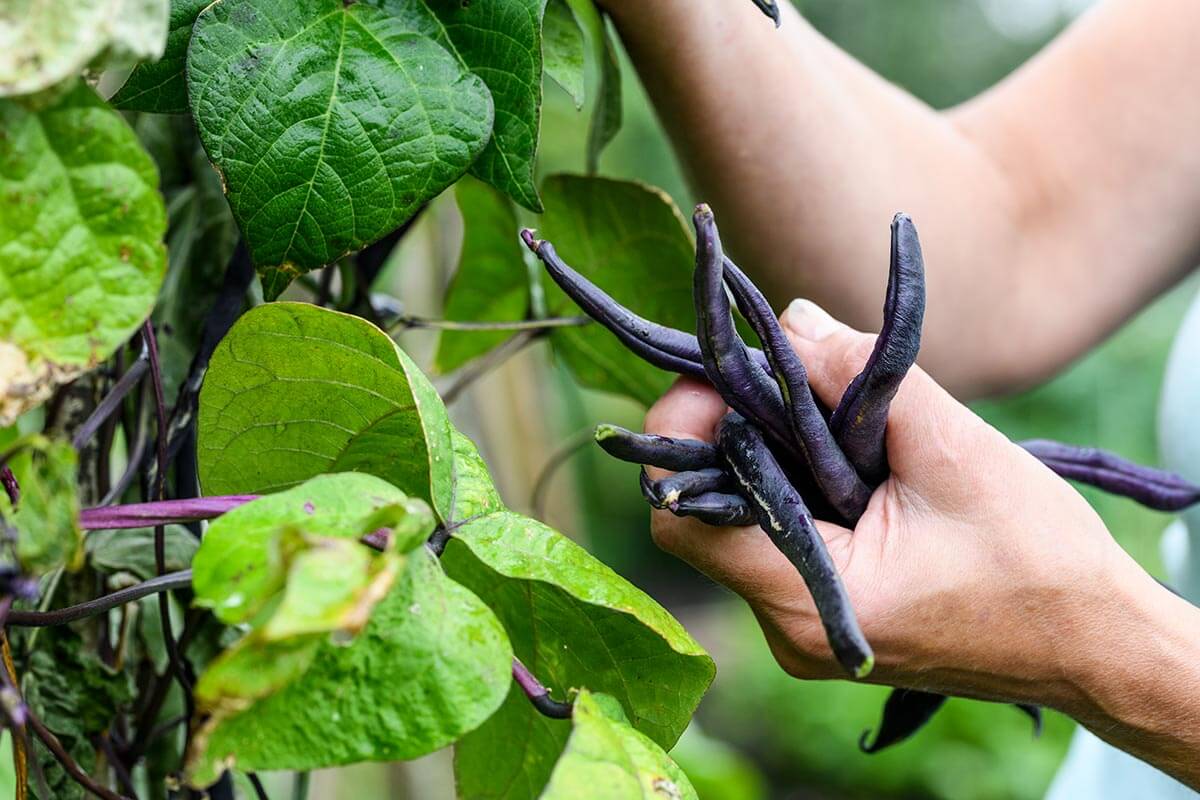
Grow climbing crops like French beans up a wigwam to make the most of the vertical space in your plot. Climbing French beans are more productive than dwarf types and get by with a bit less water than runner beans.
Beetroot
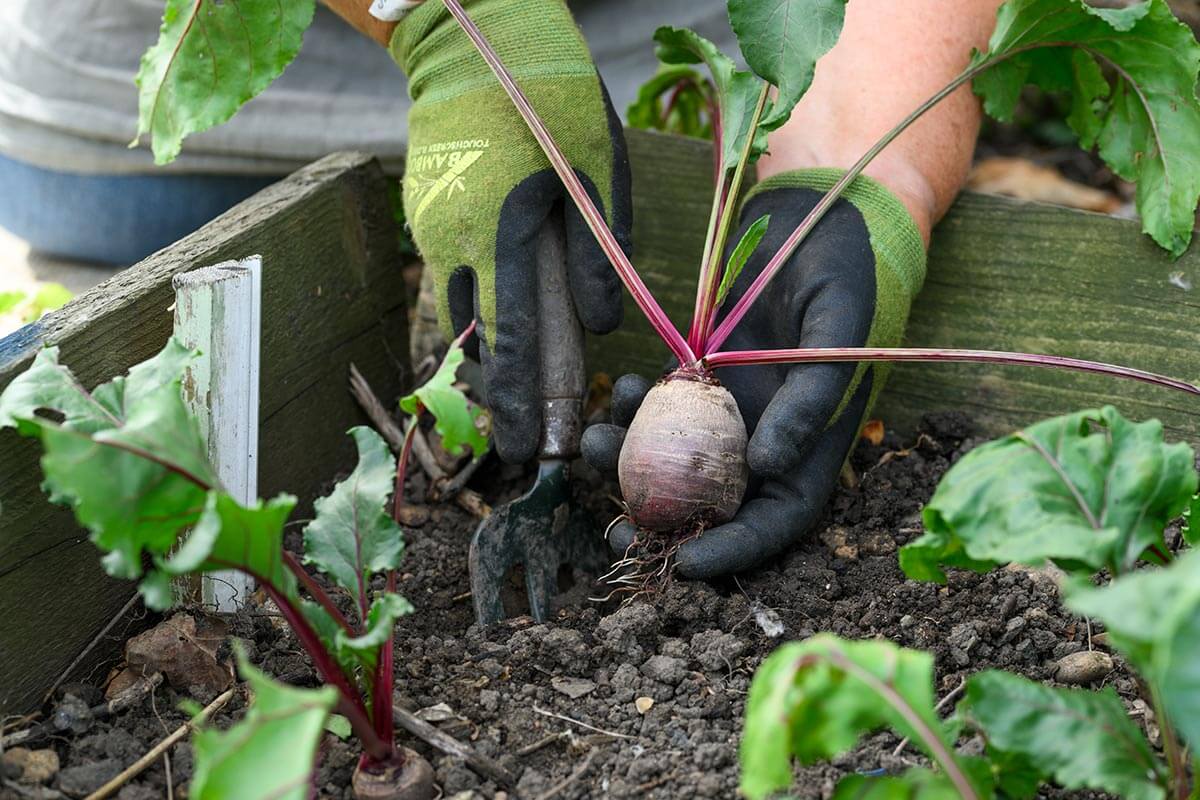
Sow veg like beetroot that takes up little space and has edible thinnings, roots and leaves to increase harvests and reduce waste. With its deep taproot, beetroot is quite drought-tolerant, so may save you water too.
Dos and don’ts
• Do avoid digging wherever possible to retain stored carbon and allow networks of mycorrhizal fungi to develop.
• Do add some perennial crops, which require fewer resources and are more able to withstand challenging weather conditions.
• Do reuse pots or source them second-hand.
• Do mulch your bed with garden compost to retain moisture, improve soil structure and boost soil microorganisms.
• Do make your own nettle and comfrey fertiliser instead of buying fertilisers that use fossil fuels in their production.
• Do let a few vegetable plants flower to provide food for pollinating insects.
• Do choose vegetables that suit the soil and aspect of your plot, so they grow well and produce bumper crops.
• Do collect rainwater and use it efficiently.
• Don’t grow vegetables you dislike, or they’ll go to waste.
• Don’t use peat-based compost for seedlings – otherwise you’re contributing to the destruction of vital carbon-storing habitats.
• Don’t use pesticides on your plot. Instead, encourage natural predators like frogs, ground beetles and ladybirds.
• Don’t grow F1 varieties if you want to collect your own seeds and reduce your use of resources – they won’t reliably produce the same variety of plant next year.
• Don’t just garden your plot in the summer – keep it covered year-round with crops or green manure to protect the soil and lock up carbon.