

Create a wildlife pond
Even the smallest pond will attract wildlife. Nic Wilson shares her top tips on how to build and maintain it, so you have creatures visiting for years on end
There’s nothing better than a wildlife pond for providing a fantastic habitat for nature in your garden – even a small one will help a host of birds, amphibians and mammals, such as hedgehogs and bats. Digging a pond the size of a square metre can be completed in a weekend, or you can make one from an old sink or even a deep plastic trug.
Fill your pond with native aquatic plants to offer places for creatures to lay eggs, find shade and hide from predators. And, once your local wildlife finds the water, you’ll be able to sit nearby and enjoy watching all of them in action.
Things to consider
Safety
The Royal Society for the Prevention of Accidents advises parents of children under the age of six to avoid having ponds in their gardens. If you decide to have a pond, it should be fenced off or covered with a childproof grating above the water (while making sure wildlife can still get in and out). Young children should always be supervised by an adult, even if ponds have safety features. Visit rospa.com for more information.
Aspect
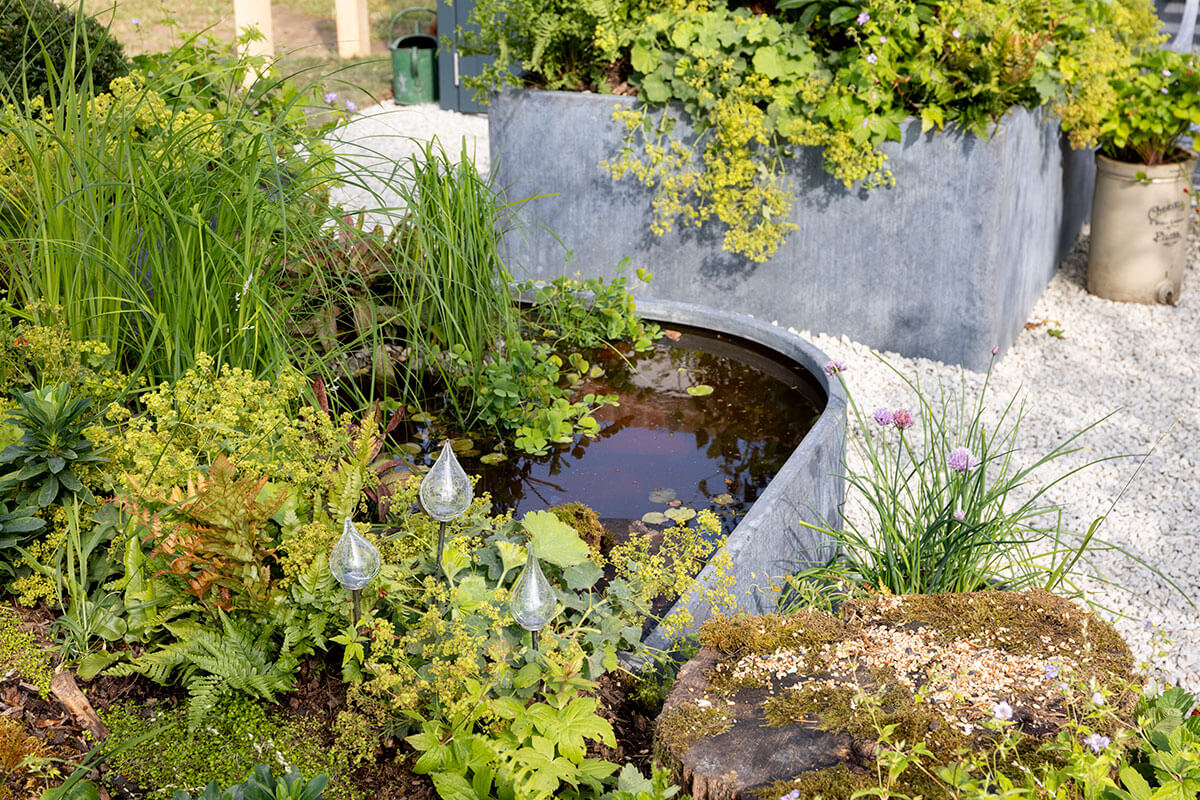
Situate your wildlife pond in a warm, sunny spot, preferably one that gets shade for part of the day, to reduce algae growth and accommodate any pond life that prefers cooler conditions.
Liner
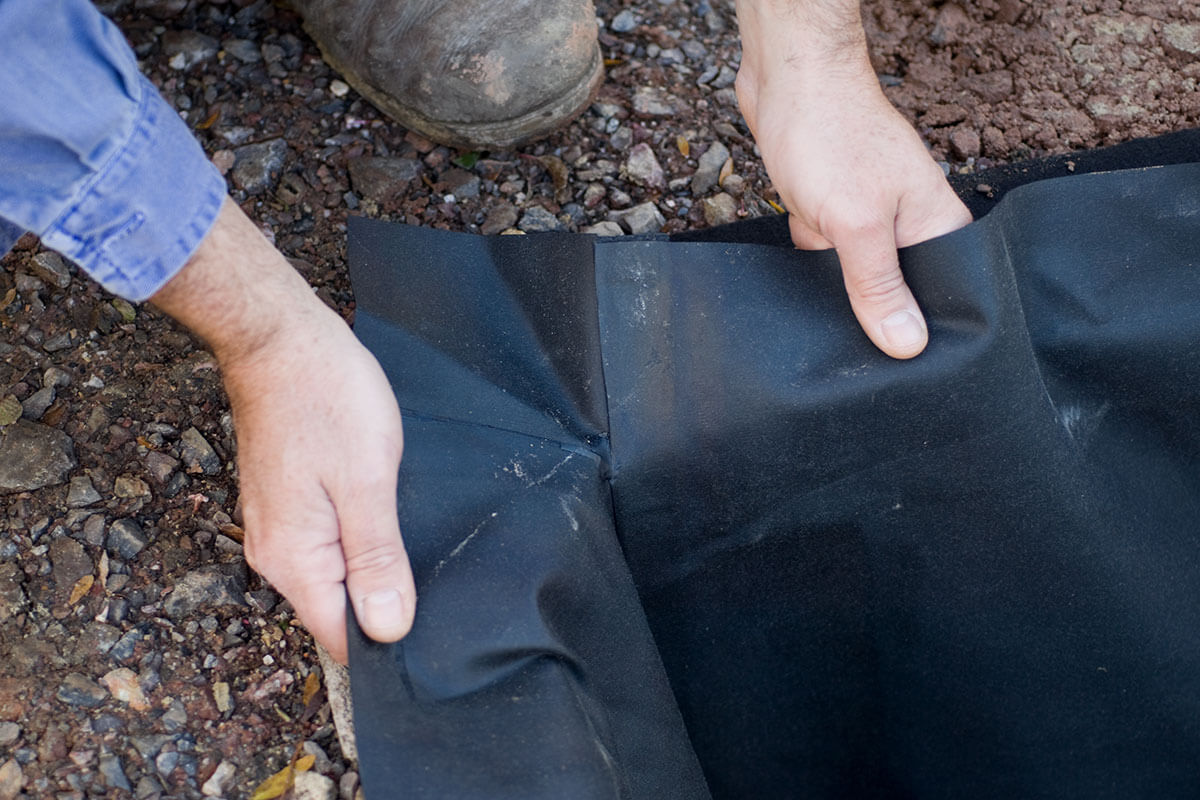
Digging a hole and adding a flexible liner allows you to create a natural shape with varying water levels. Ideally, a wildlife pond should have shallow margins to allow wildlife easy access and deeper areas towards the centre. Once your pond is lined, fill it with rainwater.
Waterside habitats
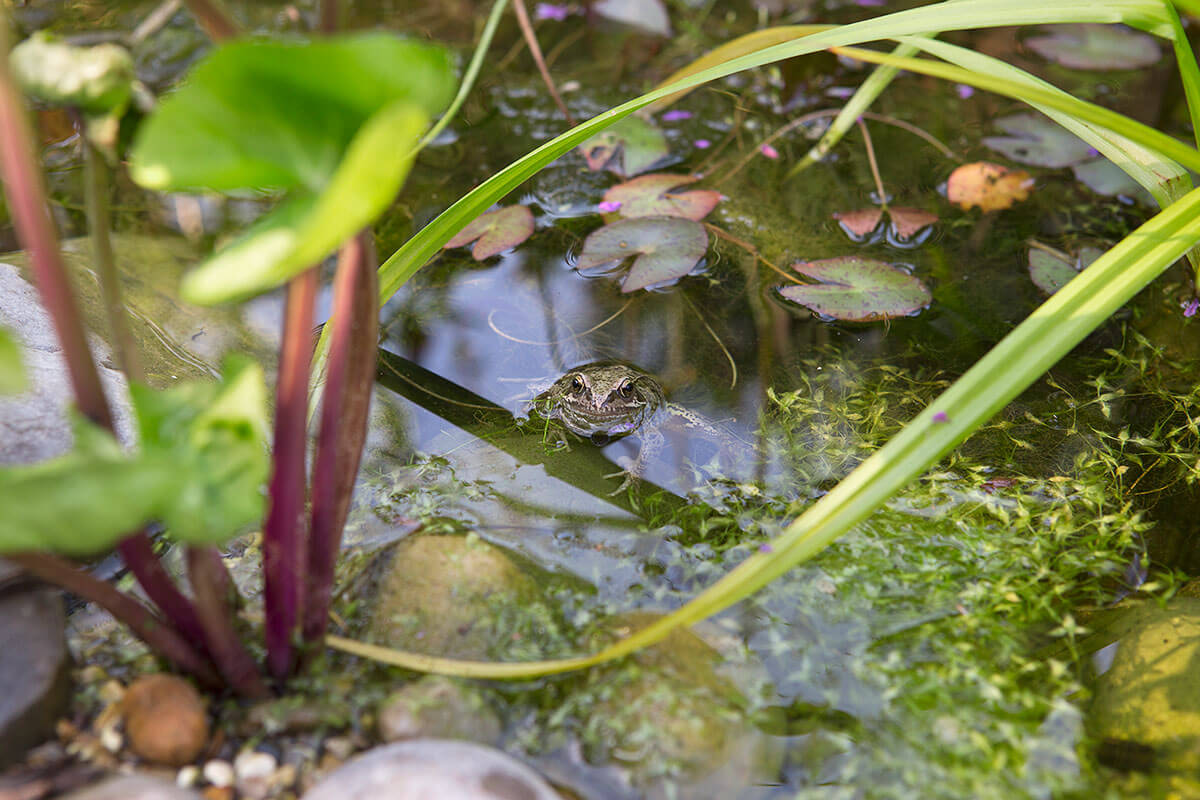
Create additional habitats around your pond with wildflower planting, areas of long grass and rock or log piles to give visiting wildlife – such as frogs, birds and newts – protection from predators.
Oxygenating plants
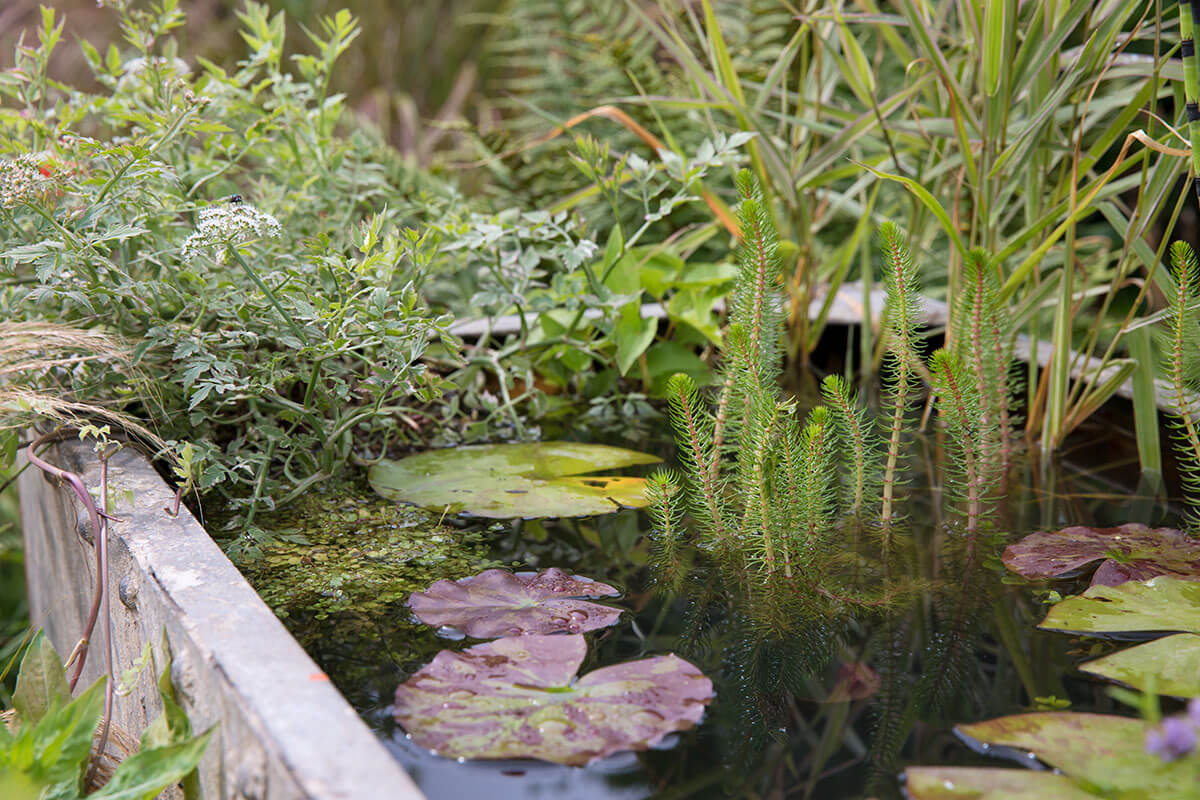
These important plants generally have submerged leaves that help keep the water clear, while the oxygen they release enables aquatic wildlife to thrive. They also create superb underwater habitats for pond creatures. Rigid hornwort, common water starwort and upright water milfoil are all good oxygenators.
Container pond
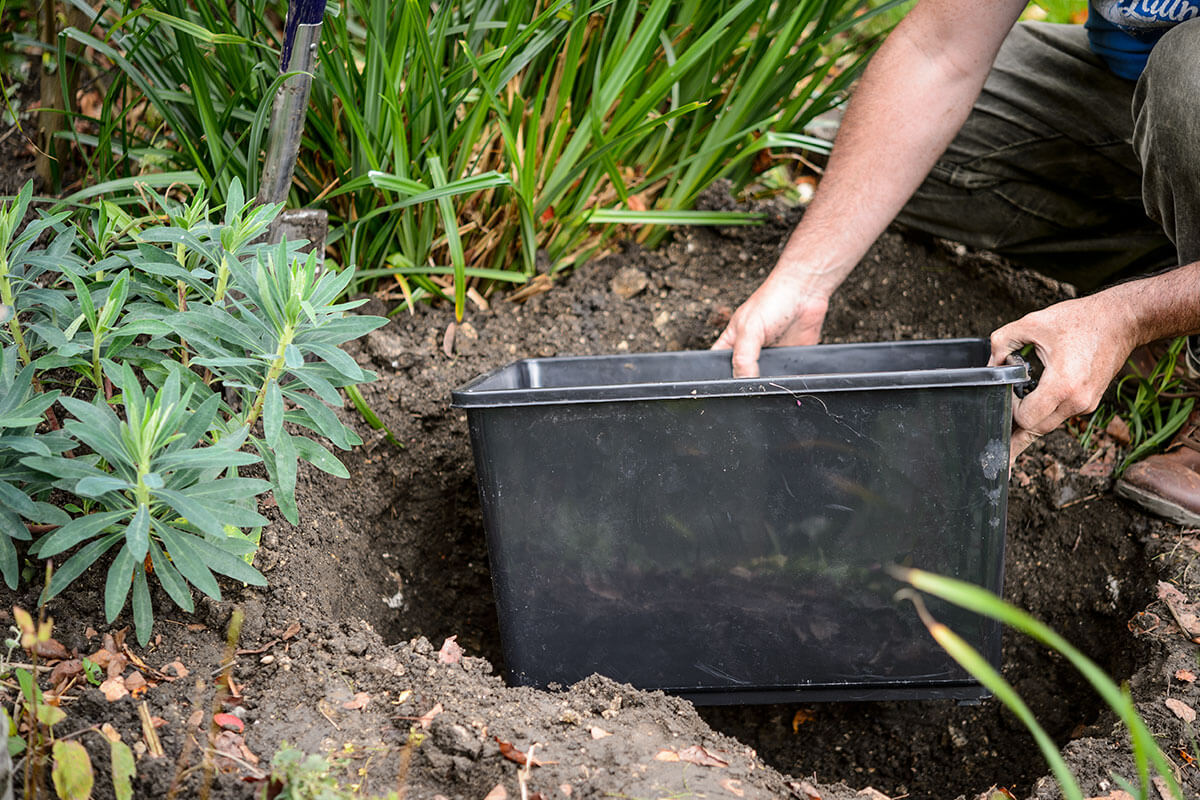
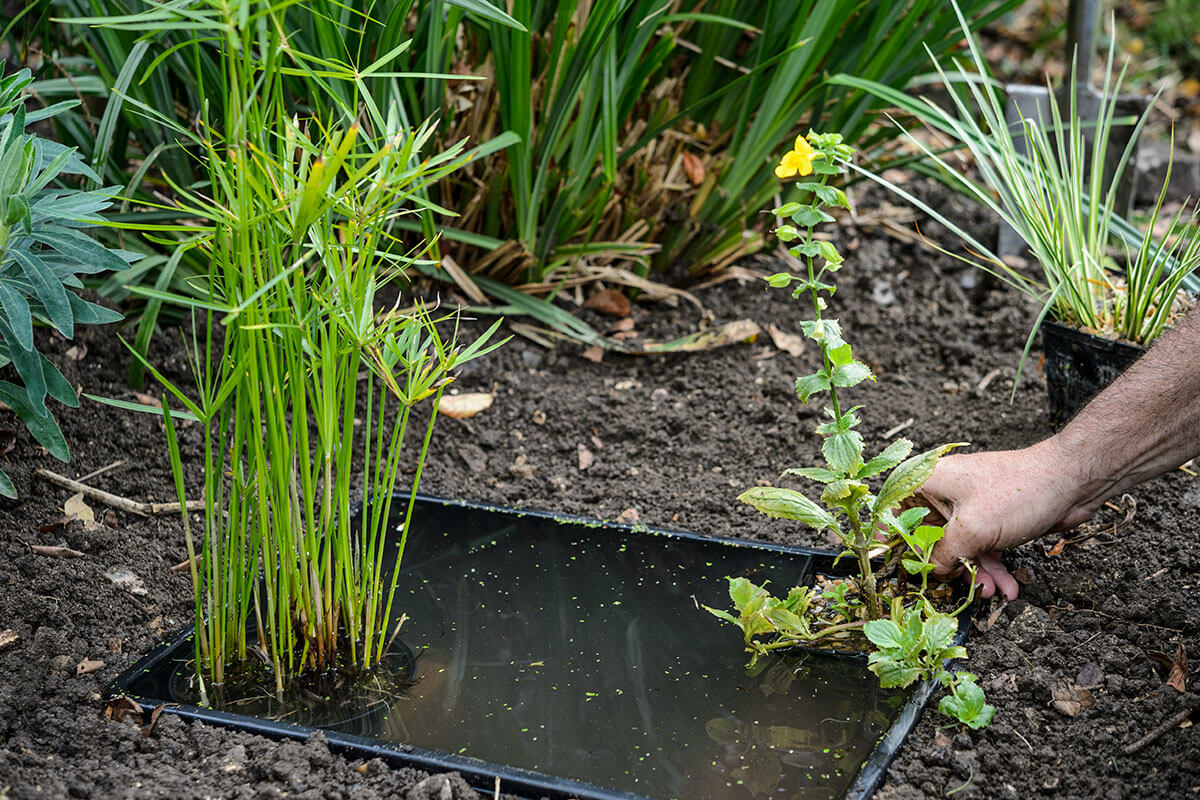
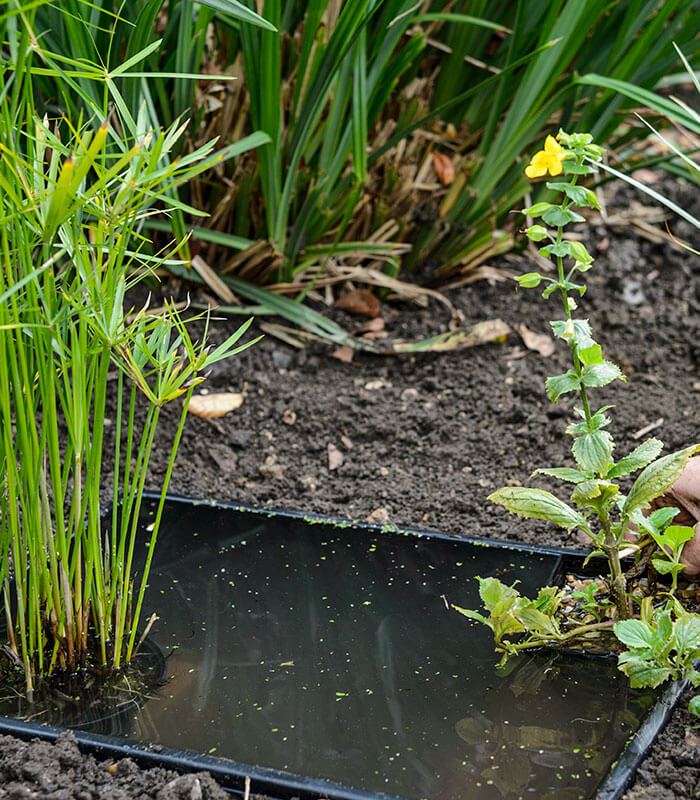
If digging a hole is impractical, why not opt for a container pond? Choose any durable watertight container, from a porcelain sink (with the hole plugged and sealed) to a deep plastic trug, and ensure that wildlife has a way to get out safely. Fill it with rainwater and add two or three smaller aquatic plants such as flowering rush, frogbit or water forget-me-not.
Marginal plants
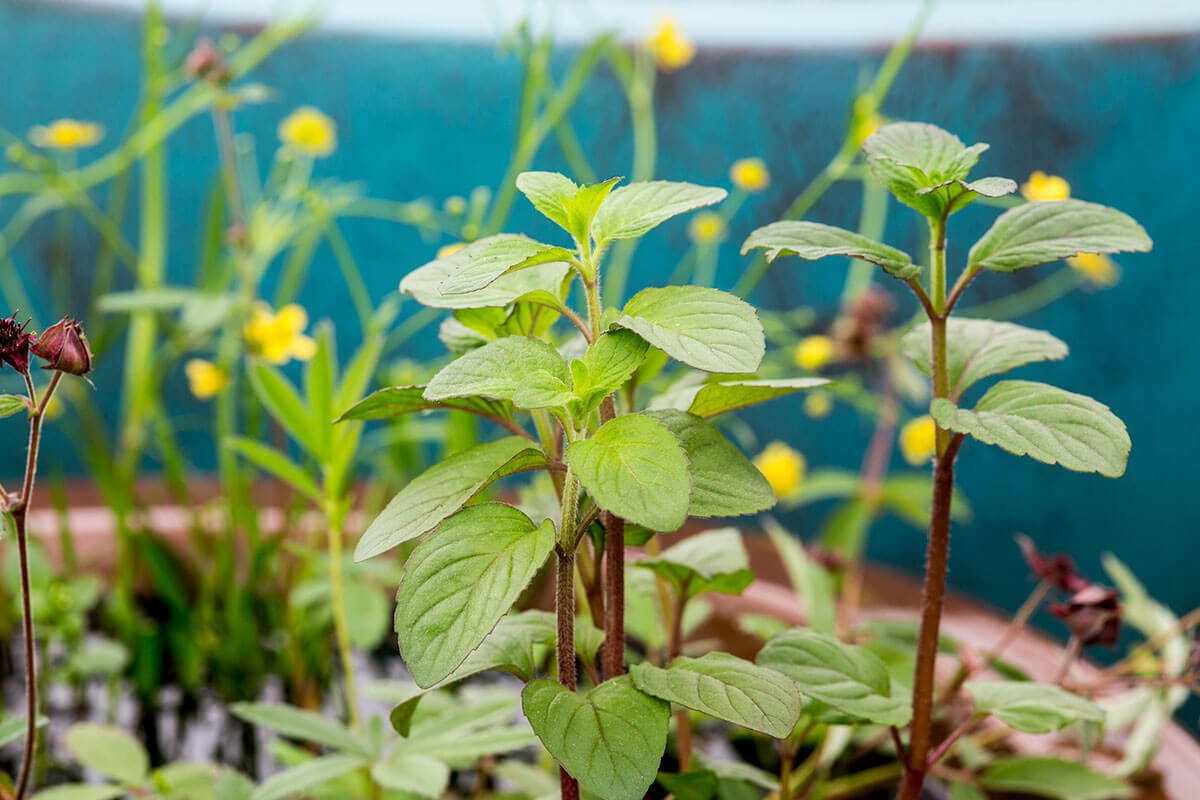
Healthy pond ecosystems need a mix of aquatic plant species including marginal, floating and oxygenating plants. Marginals, such as brooklime, marsh marigold and water mint, provide cover for wildlife, places for newts to lay their eggs and nectar-rich flowers to attract pollinators.
Depth
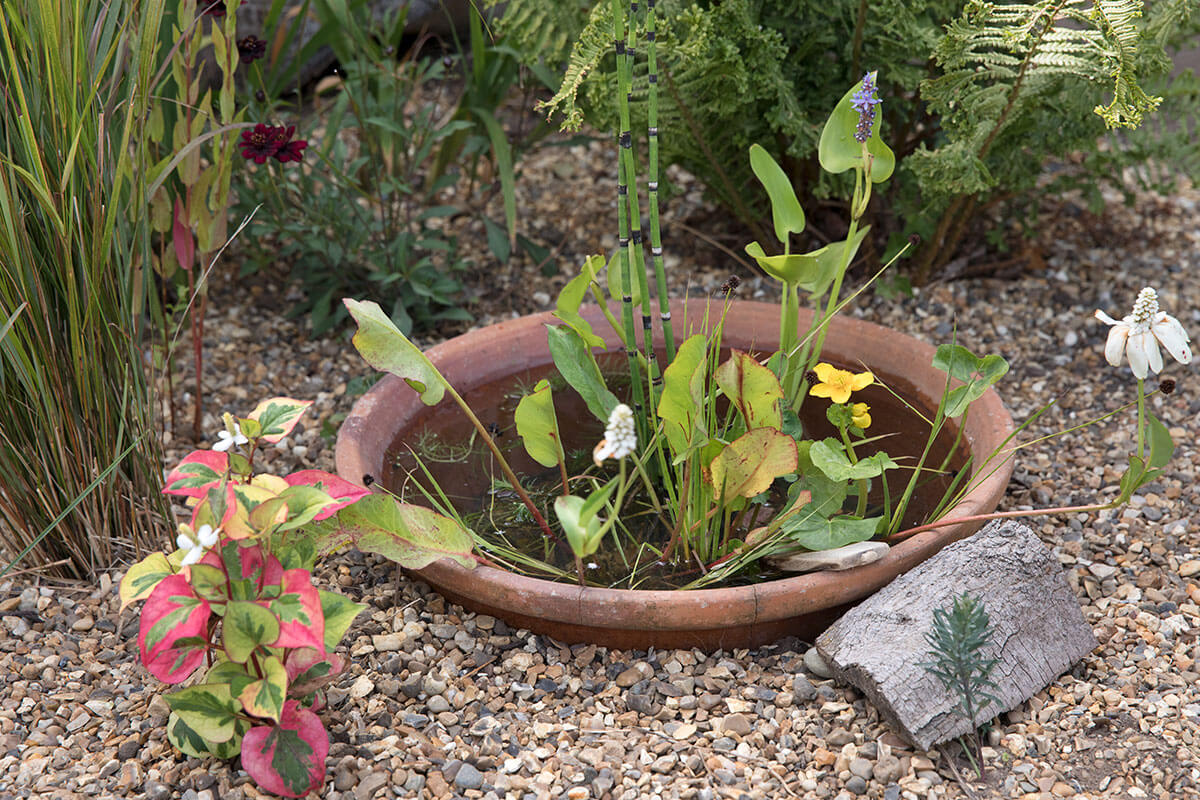
A small wildlife pond need only have a maximum depth of 30cm, although 45-60cm graduating to shallower areas around the edge is better. If you have a preformed pond with steeper sides, you’ll need to add a ramp or another way for animals to get out safely.
Floating plants
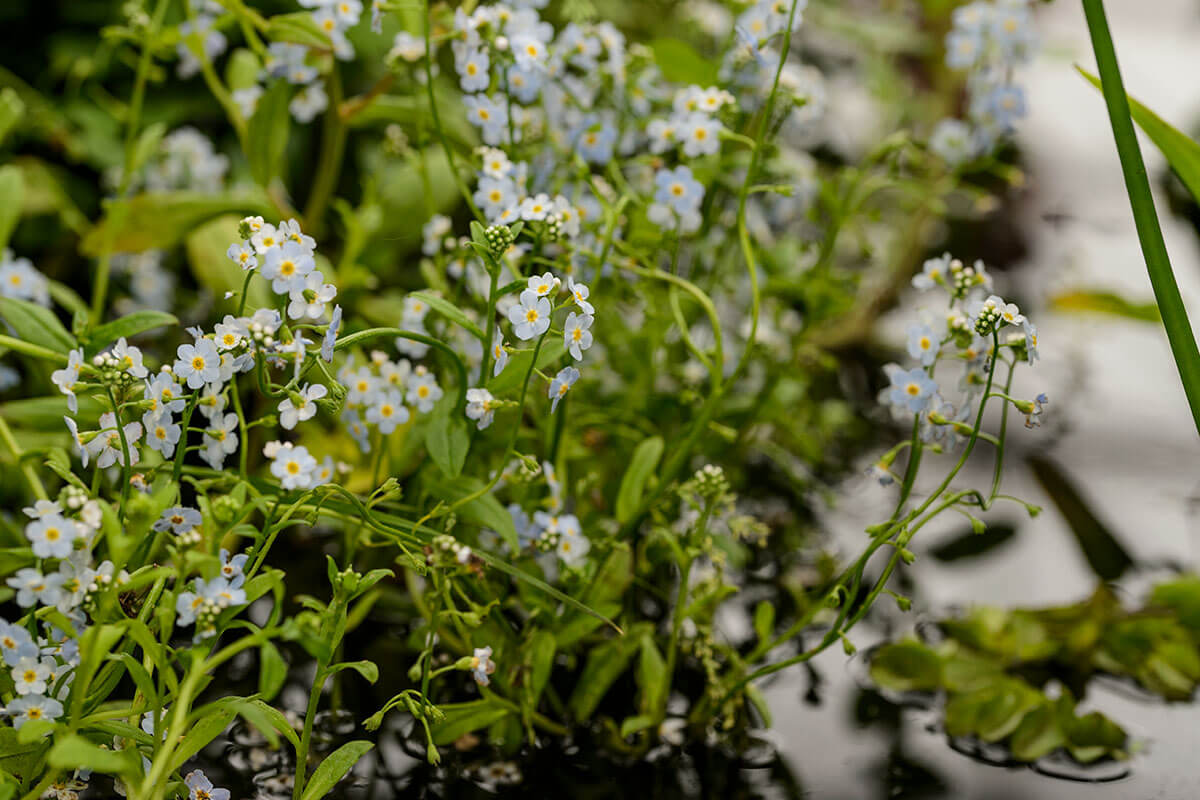
Frogbit is an ideal plant for a wildlife pond. Its floating leaves provide shelter for creatures below the water and landing pads for visiting insects, such as hoverflies. Common water crowfoot produces white buttercup-like flowers that attract pollinators, with lobed leaves that float and submerged spiked foliage that helps oxygenate the water.
Maintenance
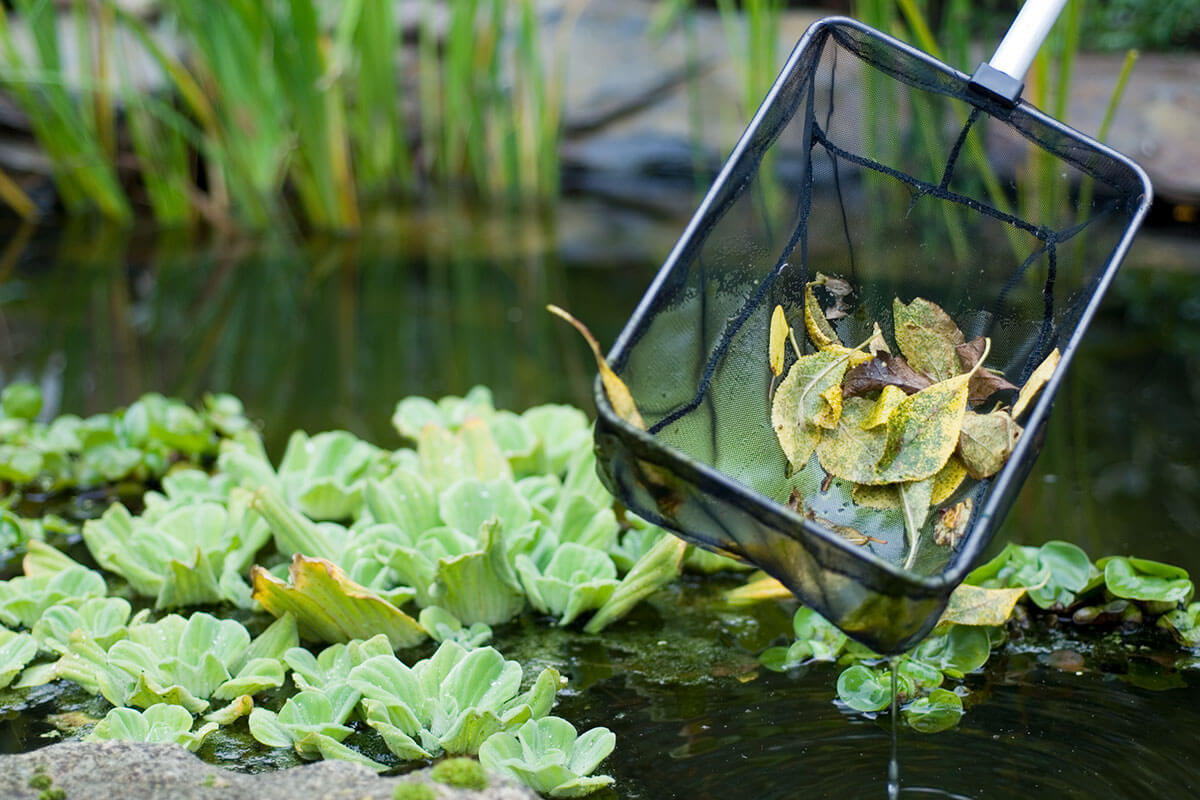
Leave your wildlife pond alone as much as possible. If you need to clear out leaves, divide plants or cut back vegetation, wait until late autumn or early winter when there are fewer creatures in the pond. Before composting plant material, gently swill it in a bucket of rainwater and then return any wildlife to the pond.
Dos and don’ts
• Do aim to cover around two-thirds of the pond’s surface with plants to help prevent a buildup of algae and provide shelter for aquatic life.
• Do stick to native plants in your wildlife pond to reduce the likelihood of invasive non-native species becoming established in the wild.
• Do make sure you buy pond plants in peat-free compost from reputable nurseries.
• Do collect rainwater, so you don’t have to use tap water if you decide to top up the pond during the summer.
• Do add a branch that overhangs the water as a perch for dragonflies.
• Do plan the most important feature – a viewing spot, where you can sit and enjoy watching the wildlife that visits your pond.
• Don’t situate your pond under deciduous trees, as falling autumn leaves can cause nutrients to build up in the water.
• Don’t add fish to a wildlife pond, as they are likely to eat aquatic plants and animals.
• Don’t feel you have to top up ponds in the summer, unless they are in danger of completely drying out – some wildlife benefits from lower water levels.
• Don’t introduce wildlife such as frogspawn from other ponds, as there’s a risk of spreading disease.