

Get composting!
Nic Wilson explains how to start making your own garden compost and the many benefits it brings
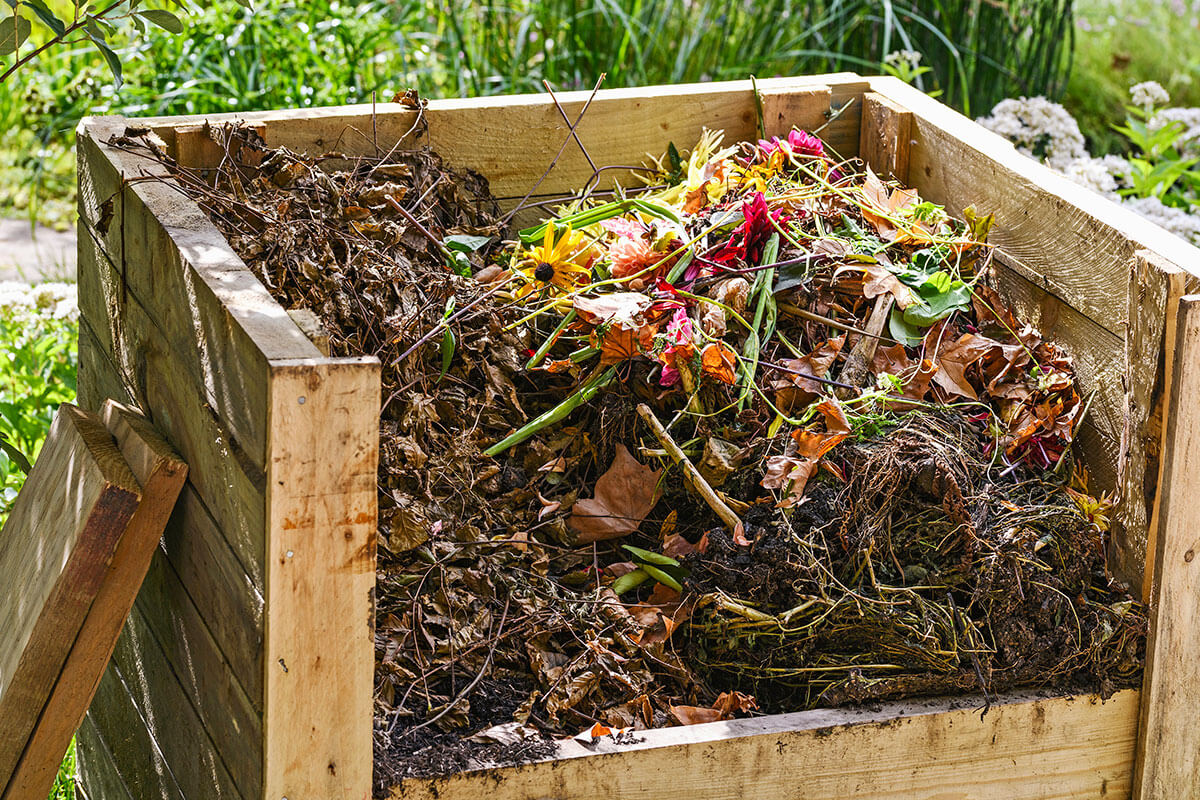
Making garden compost is an easy way to reduce your carbon footprint. One compost bin can save an average of 150kg of waste per year from going to landfill – where it would have released methane, a potent greenhouse gas, as it decomposed – and turns it into a valuable resource to improve your soil and support your garden’s valuable ecosystems.
Compost heaps and bins provide superb habitats for a wide range of wildlife, from the smallest beneficial microorganisms up to larger animals like grass snakes, toads and hedgehogs. And when you consider that the garden compost you produce can be used as a soil improver, a mulch or a base for potting mixes, then making your own really is a win-win situation.
What’s more, it’s very easy to make and just a single square metre is all the space you need.
Square-metre composting tips
Positioning
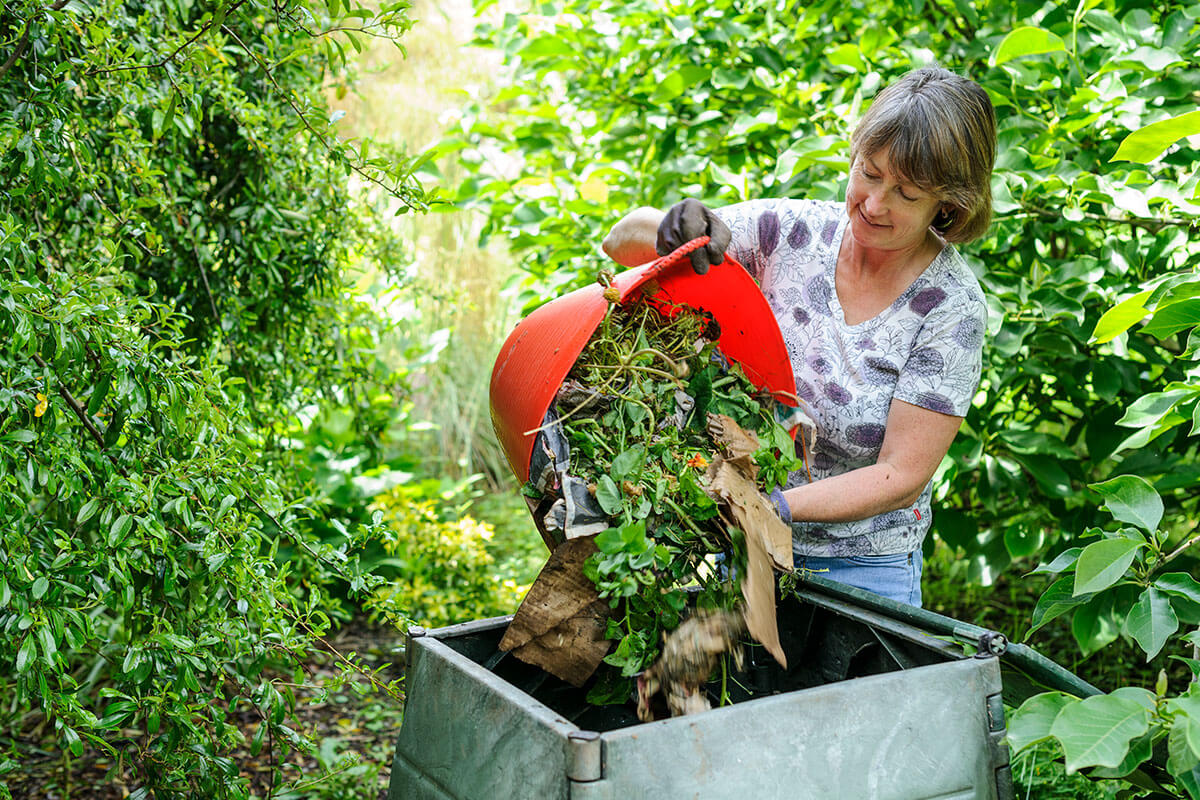
A site in full or partial shade is best. The bin should ideally be placed directly on the soil so that beneficial creatures, such as worms, other invertebrates and soil microorganisms, have easy access to the contents. If your bin is on concrete or another hard surface, add a bucketful of soil before you start composting, to introduce microorganisms that will aid decomposition.
Your bin
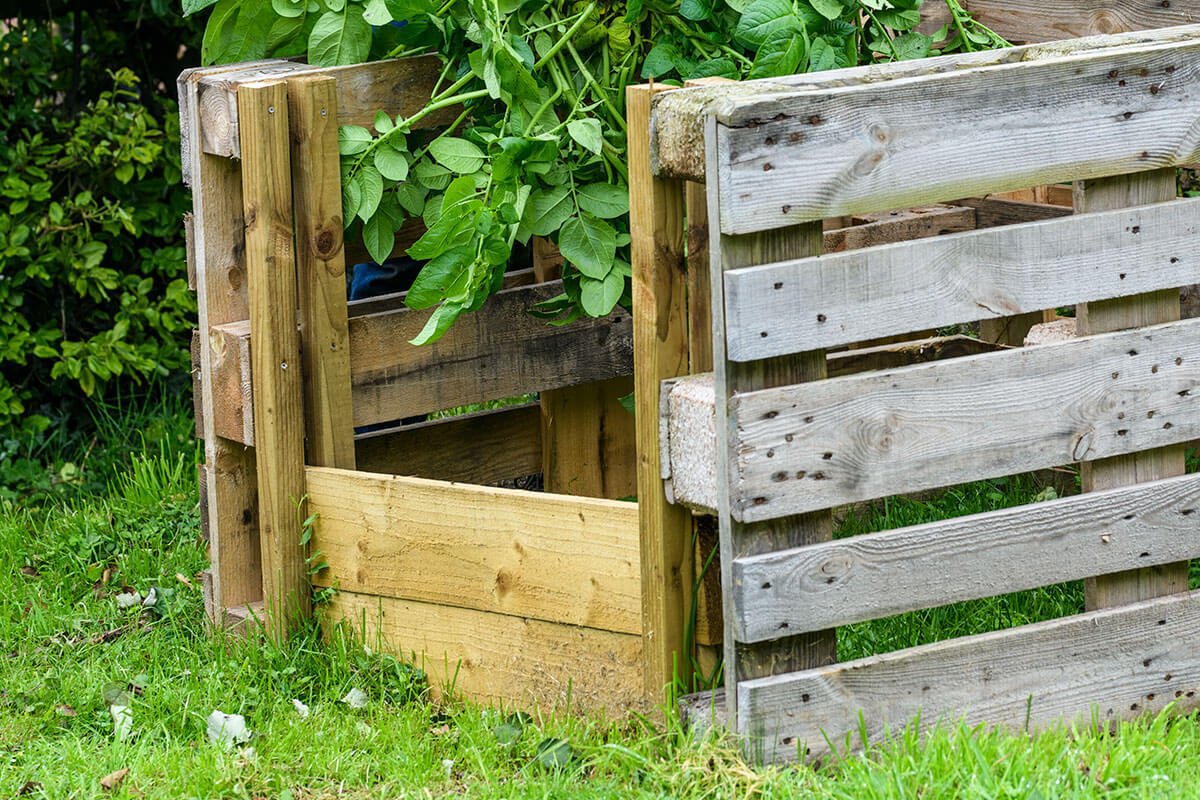
A wooden slatted bin keeps the garden waste and compost in and allows air circulation and access for wildlife. Kits are available to buy or you can build your own using old pallets or timber offcuts. Just a 1m x 1m bin could provide you with hundreds of litres of valuable garden compost every year.
Detritivores
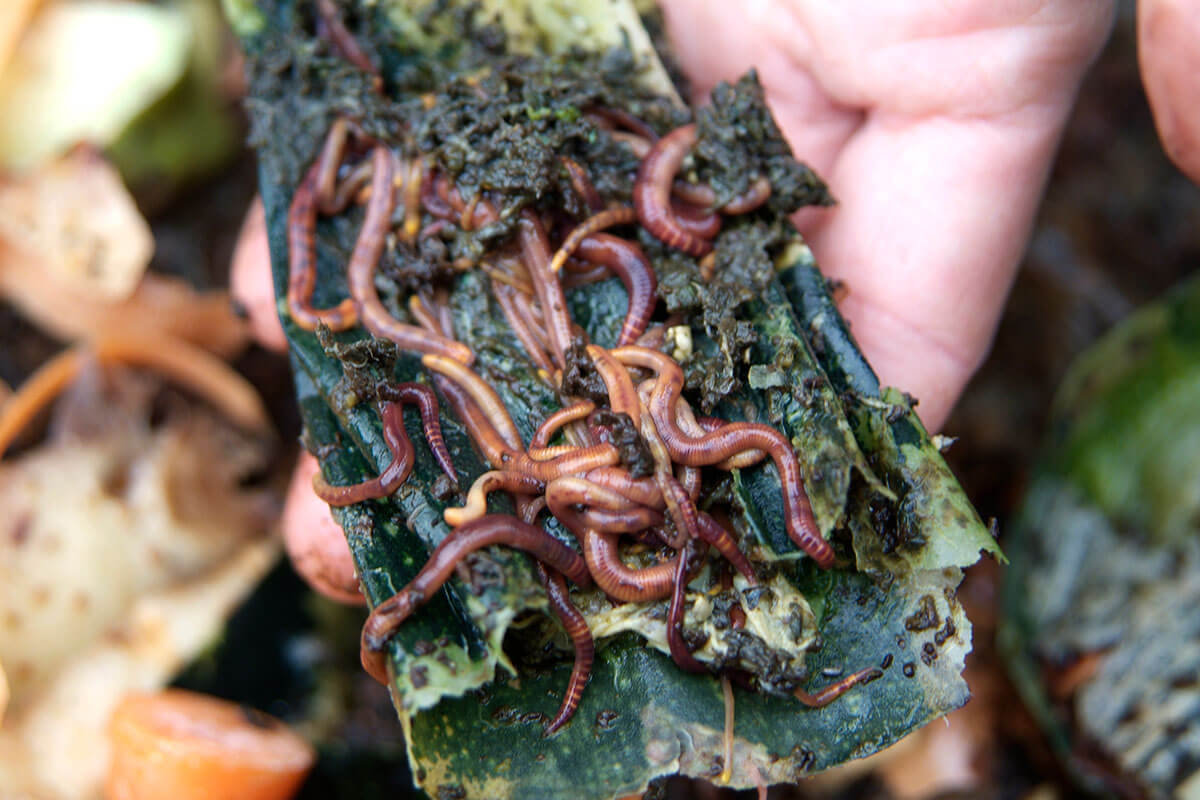
Detritivores (such as millipedes, beetle larvae and springtails) are animals that eat dead or decaying organic matter, especially plants. They play a crucial role in the compost ecosystem, breaking down plant matter and providing a food source for other animals, including spiders, beetles and hedgehogs.
Small red composting (or brandling) worms are important detritivores – they break down organic matter and tunnel through the heap, creating cavities that enable water, air and nutrients to circulate, improving conditions for other beneficial organisms as they go.
Wildlife habitats
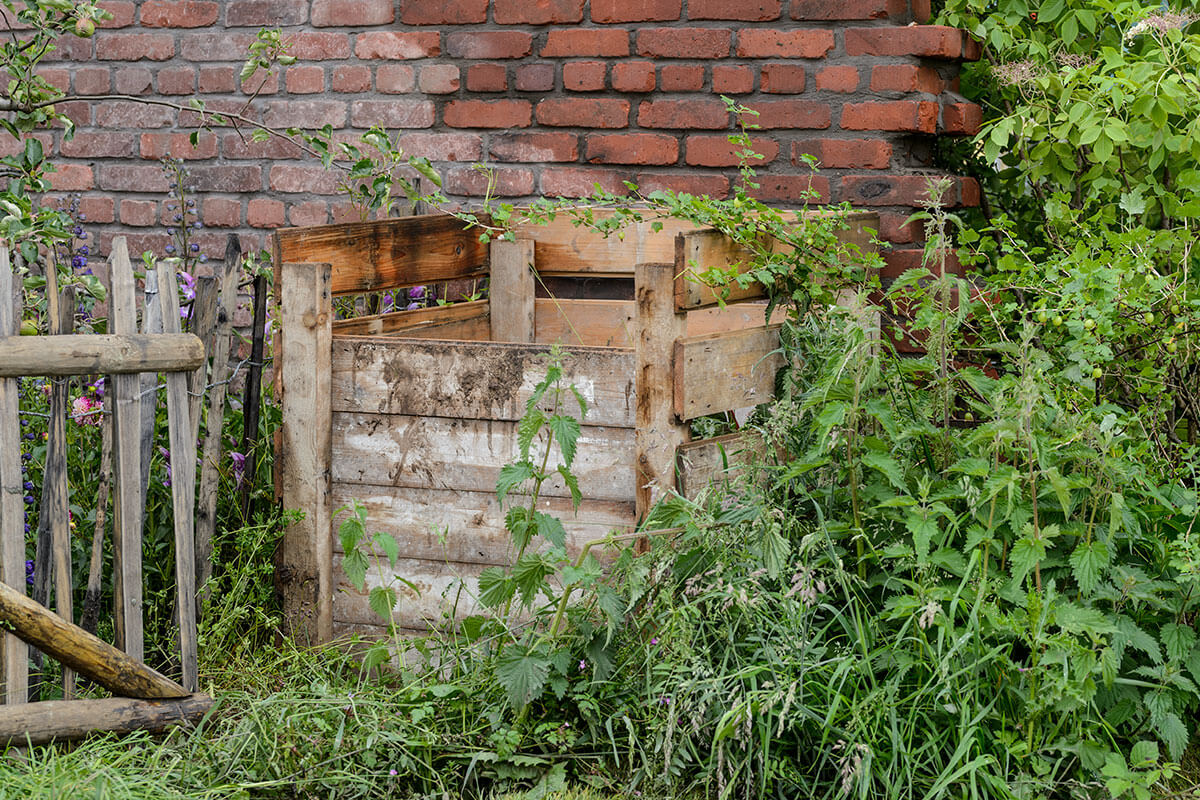
Compost bins can also provide valuable habitats for mammals, reptiles and amphibians, which may hibernate or breed in your compost. Open heaps or slatted bins are best for access, but plastic bins can be raised up a little at the base so that animals like slow worms, hedgehogs and toads can get in and out.
Adding waste
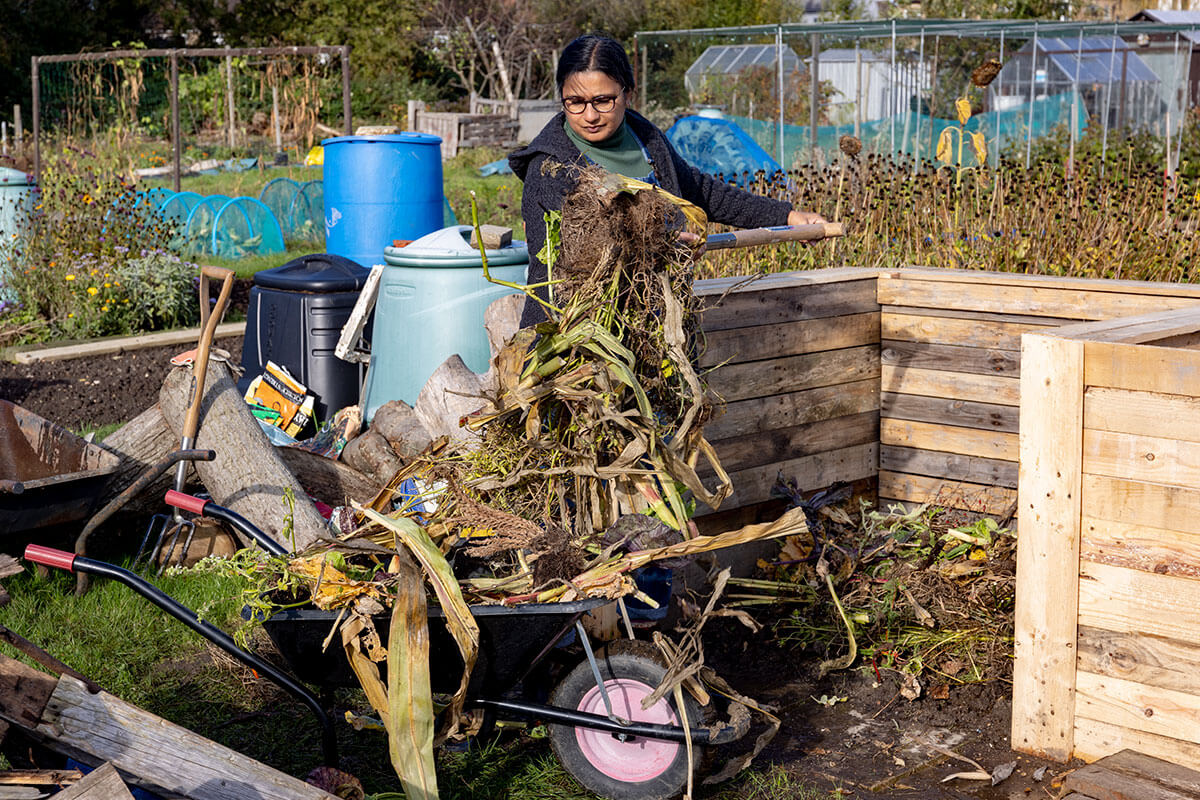
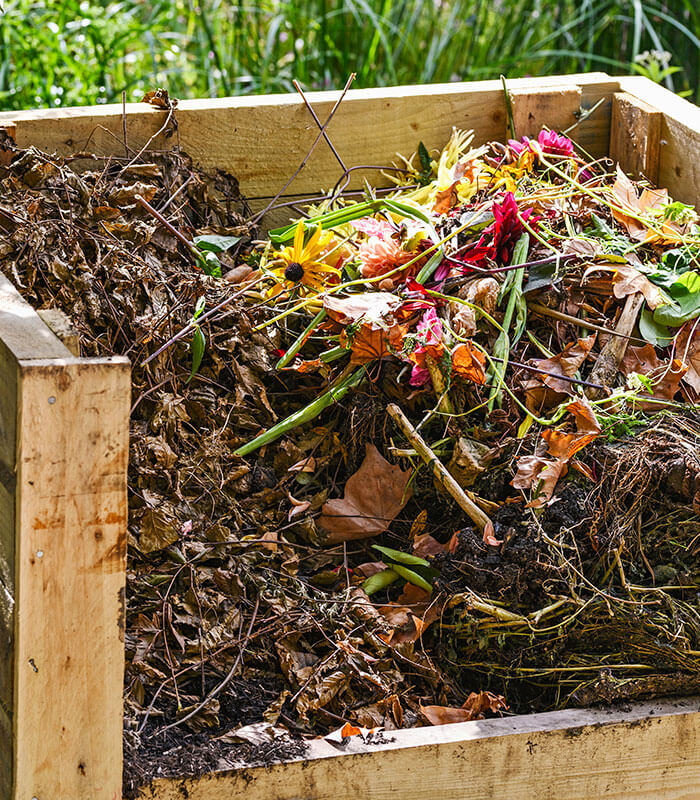
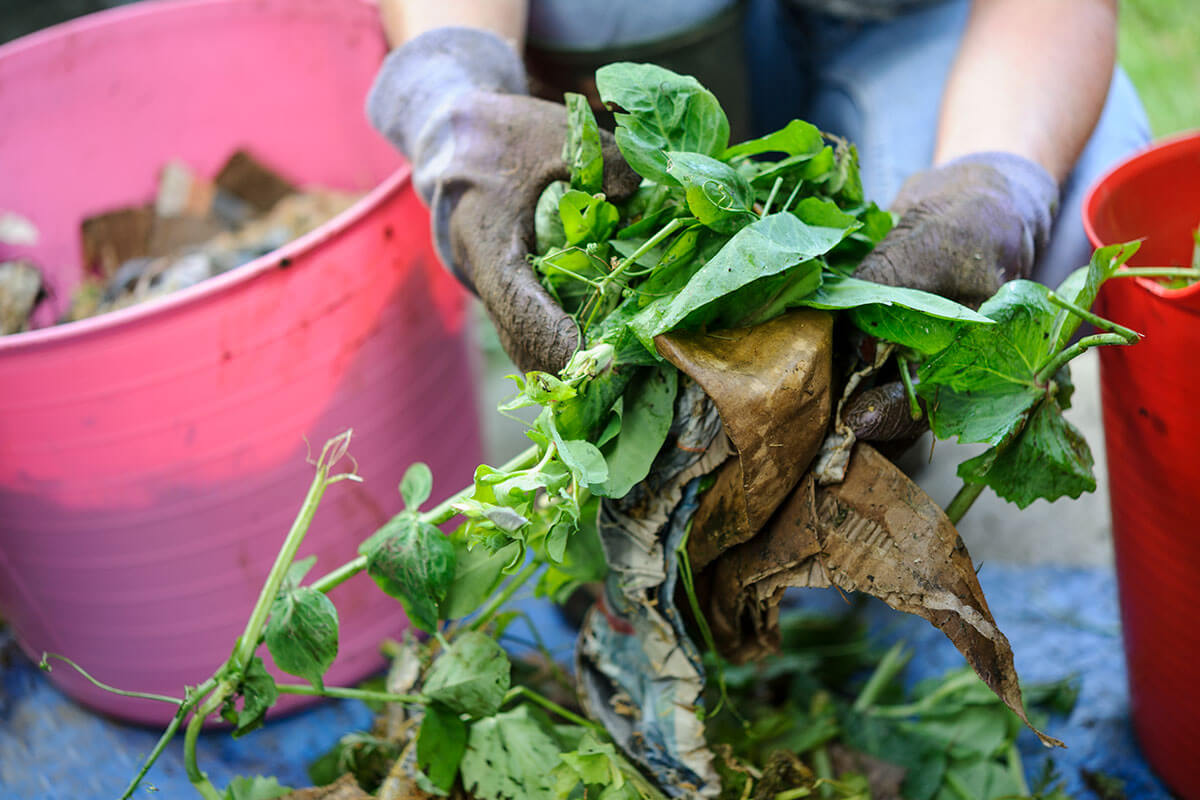
Once your compost bin is set up, start to add a combination of green waste, such as grass clippings and raw vegetable peelings, and brown waste, which includes torn-up cardboard, egg boxes and shredded hedge trimmings, in a ratio of about 1:1. This should create a mix that decomposes to form a dark, crumbly, sweet-smelling compost.
Microorganisms
Microorganisms (or microbes), such as fungi, bacteria and actinomycetes (nitrogen-fixing bacteria), help to break down organic matter and turn it into garden compost. And when you use your homemade compost in the garden, these beneficial microbes continue to support healthy soil ecosystems and provide food for other soil organisms.
Potting mix
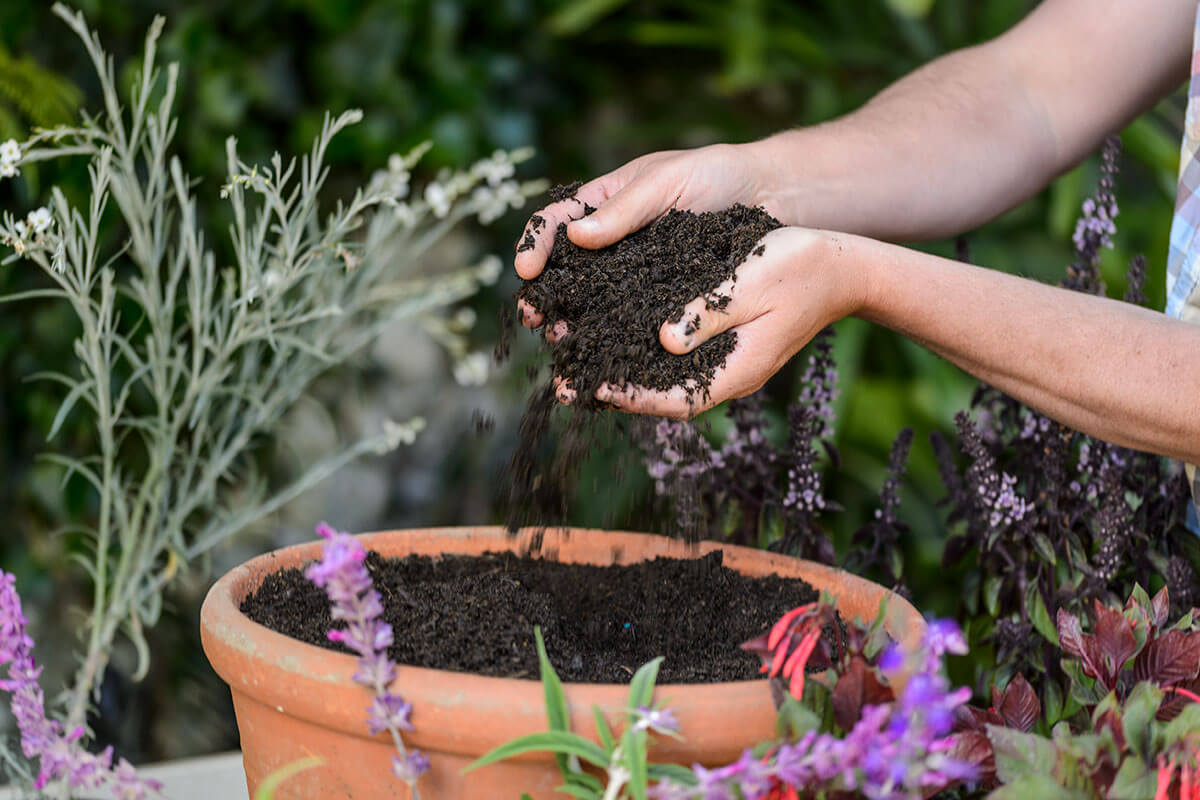
Using garden compost as an ingredient to make your own potting mix avoids the carbon costs associated with producing, packaging and transporting bagged compost. Shop-bought potting mixes often contain peat, extracted from precious peatland habitats. As well as destroying important ecosystems, peat extraction releases huge amounts of carbon and can exacerbate flooding.
Healthy eco-systems
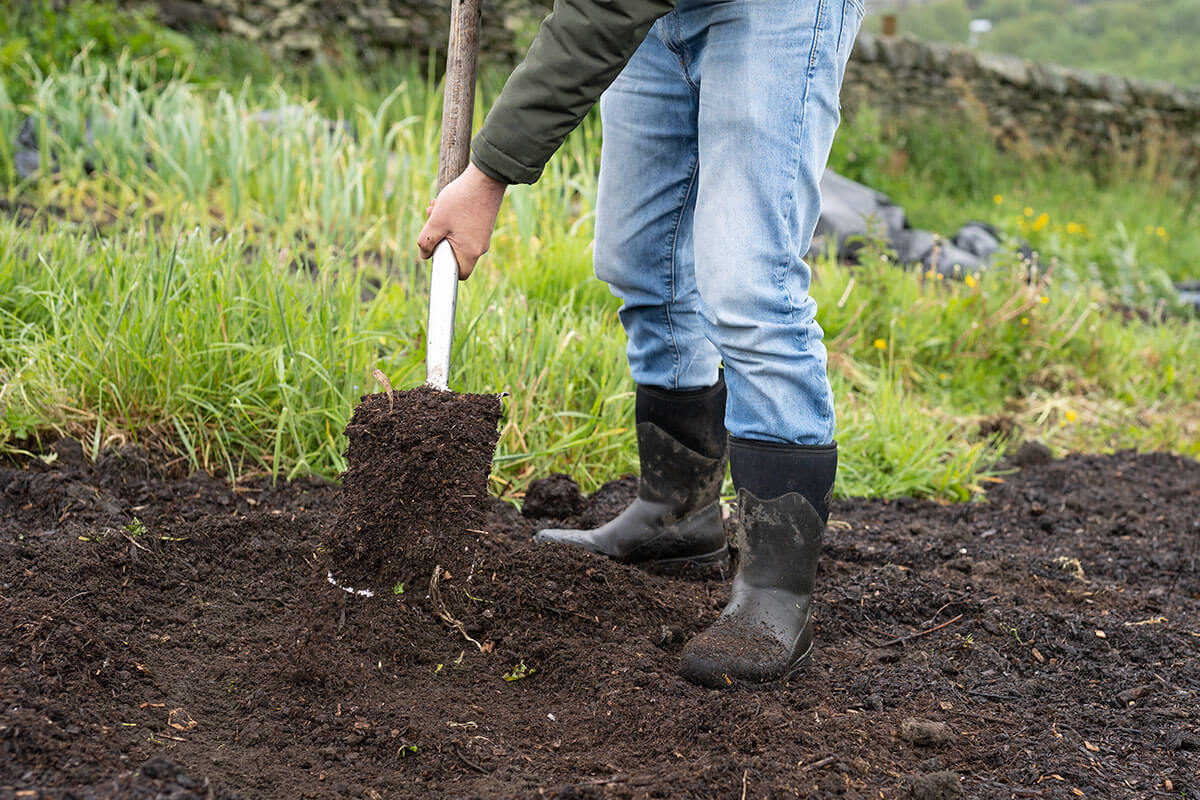
Spreading garden compost as a 5cm-thick mulch in early spring or autumn provides food and shelter for many insects. These attract natural predators like birds that will also eat aphids and caterpillars. In this way, composting helps to avoid the need for pesticides and supports healthy ecosystems across the whole garden.
Mulching
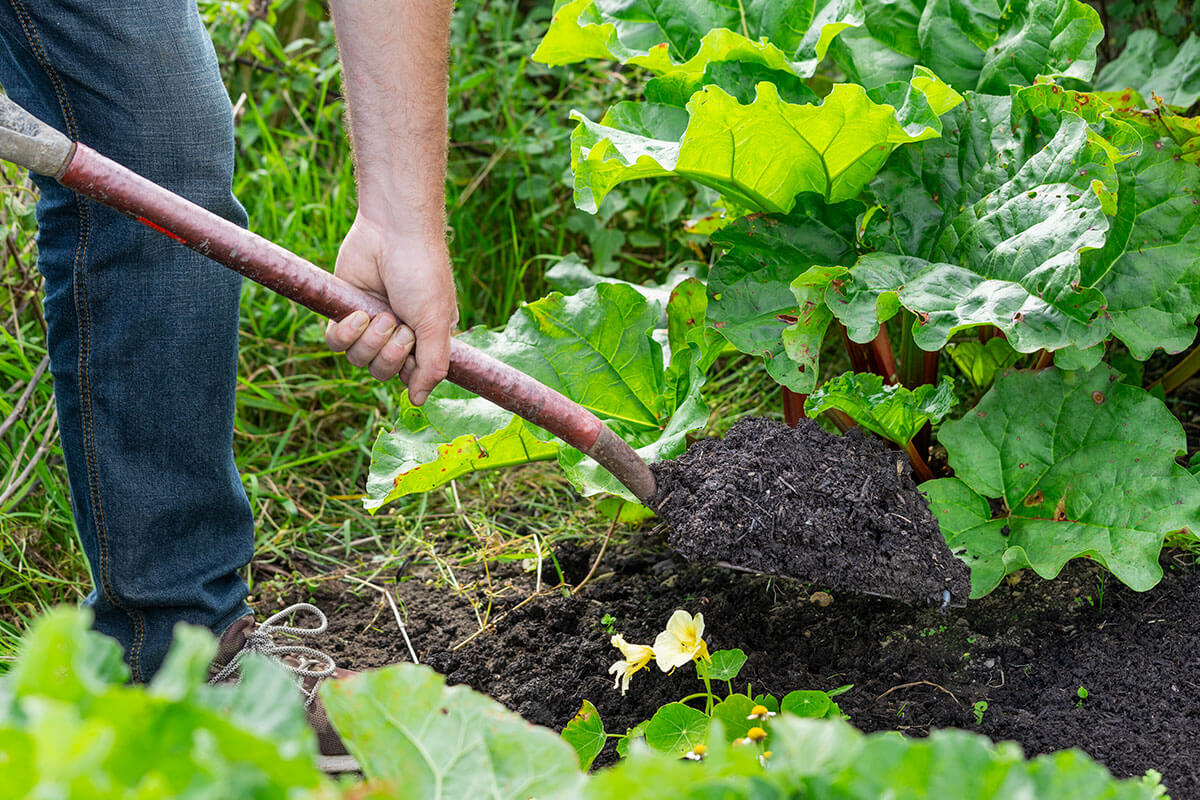
Mulching with garden compost adds some nutrients and micronutrients to the soil, while also conserving soil carbon. It helps to retain water as well, reducing the risk of flooding and benefitting plants during periods of drought, both increasingly common issues, as our climate changes.
Dos and don’ts
• Do chop up large prunings as small as possible, so they break down more quickly.
• Do make compost bins from old, untreated timber or use FSC (Forest Stewardship Council) certified sustainable wood.
• Do look for plastic bins made from recycled materials.
• Do wear gloves to handle compost, and if you turn your heap, moisten the compost and wear a dust mask.
• Do check the heap for wildlife if you decide to turn it and do it in early spring before creatures like slow worms have started breeding.
• Don’t think your garden is too small to make compost – you could use a compact compost bin or a wormery.
• Don’t worry if you find slugs and snails in your compost – they play an important role in breaking down dead material.
• Don’t use synthetic pesticides in the garden, as some residues could persist and contaminate your compost.
• Don’t add treated wood to the compost bin, to avoid introducing chemicals that could harm beneficial creatures in the compost.